THE INTERVENTIONS
Ministry of Environment (2025-Present)
National Botanical Garden (2025-2026)
City Hall of Santo Domingo (2020-2024)
National Electoral Board (2020-2024)
The Interventions is an ongoing body of work unfolding within Dominican public institutions.
Rather than forms of intervention associated with militarization, domination, and violence, these interventions function as strategic insertions within the architecture of the state, redirecting institutional power toward accessibility, collective participation, and ecological consciousness.
Ministry of Environment and Natural Resources (2025–Present)
Developed within the Ministry of Environment and Natural Resources, this intervention works across protected areas in the Dominican Republic, examining how diverse bodies perceive, navigate, and produce knowledge of ecological landscapes.
Rather than approaching accessibility solely as accommodation, this intervention considers different sensory and embodied experiences as forms of ecological knowledge, challenging dominant assumptions about how nature is accessed, interpreted, and shared.
National Botanical Garden (2025–2026)
Developed through an artist residency at the National Botanical Garden of the Dominican Republic, this intervention examines how colonial, racial, gendered, and ableist hierarchies are reproduced through botanical nomenclature across Latin America and the Caribbean. By tracing how discriminatory popular names enter scientific catalogues and institutional systems of classification, the project considers language as a site of epistemic violence, and its transformation as a form of ecological care.
City Hall of Santo Domingo, Dominican Republic (2020–2024)
Developed within the City Hall of Santo Domingo (Alcaldía del Distrito Nacional), this intervention established the first municipal Department of Inclusion and Accessibility in the Dominican Republic, positioning accessibility as a structural responsibility of municipal governance. The department integrated accessibility across policy, public programming, and civic participation, receiving the RD Incluye Gold Award and informing similar initiatives in other municipalities.
In 2023, Santo Domingo was represented by Batlle at the United Nations General Assembly, where the city became the first in the Caribbean to sign the Global Compact on Accessible Cities, positioning accessibility as a central principle of urban governance in the region.
Central Electoral Board (2020–2024)
Emerging from the artist’s participation in Guardianes de la Democracia, a non-partisan civic oversight initiative during the 2020 electoral cycle, this intervention began with the identification of systemic barriers affecting voters with disabilities. Batlle subsequently developed and presented accessibility proposals to the Central Electoral Board (Junta Central Electoral, JCE), leading to the establishment of the institution’s first Accessibility and Inclusion Committee (Mesa de Inclusión) in 2021.
Through the development of the JCE’s first accessibility guidelines and the coordination of interdepartmental efforts, the intervention embedded accessibility within electoral planning and contributed to the most inclusive electoral process in Dominican history during the 2024 national elections.
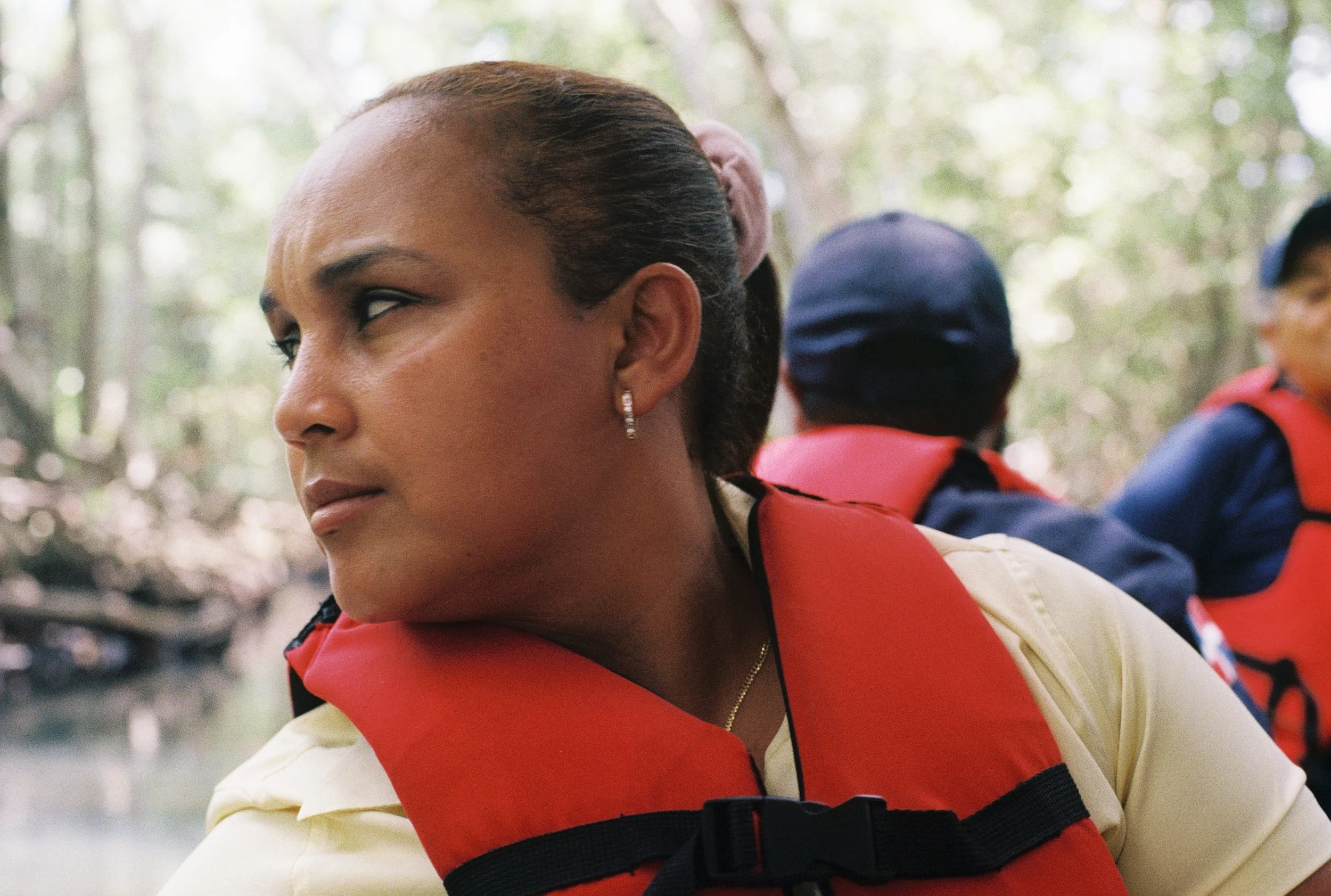
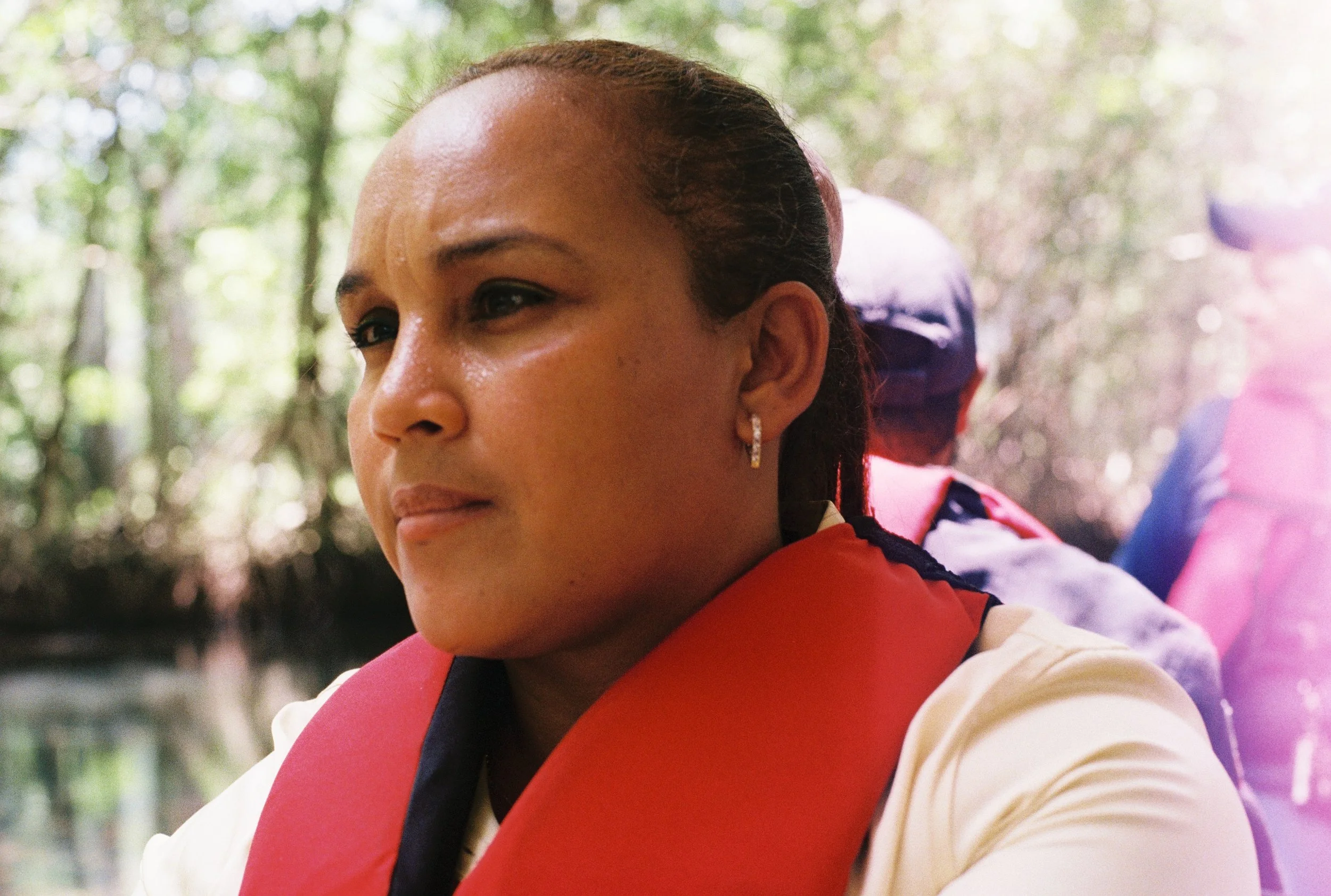
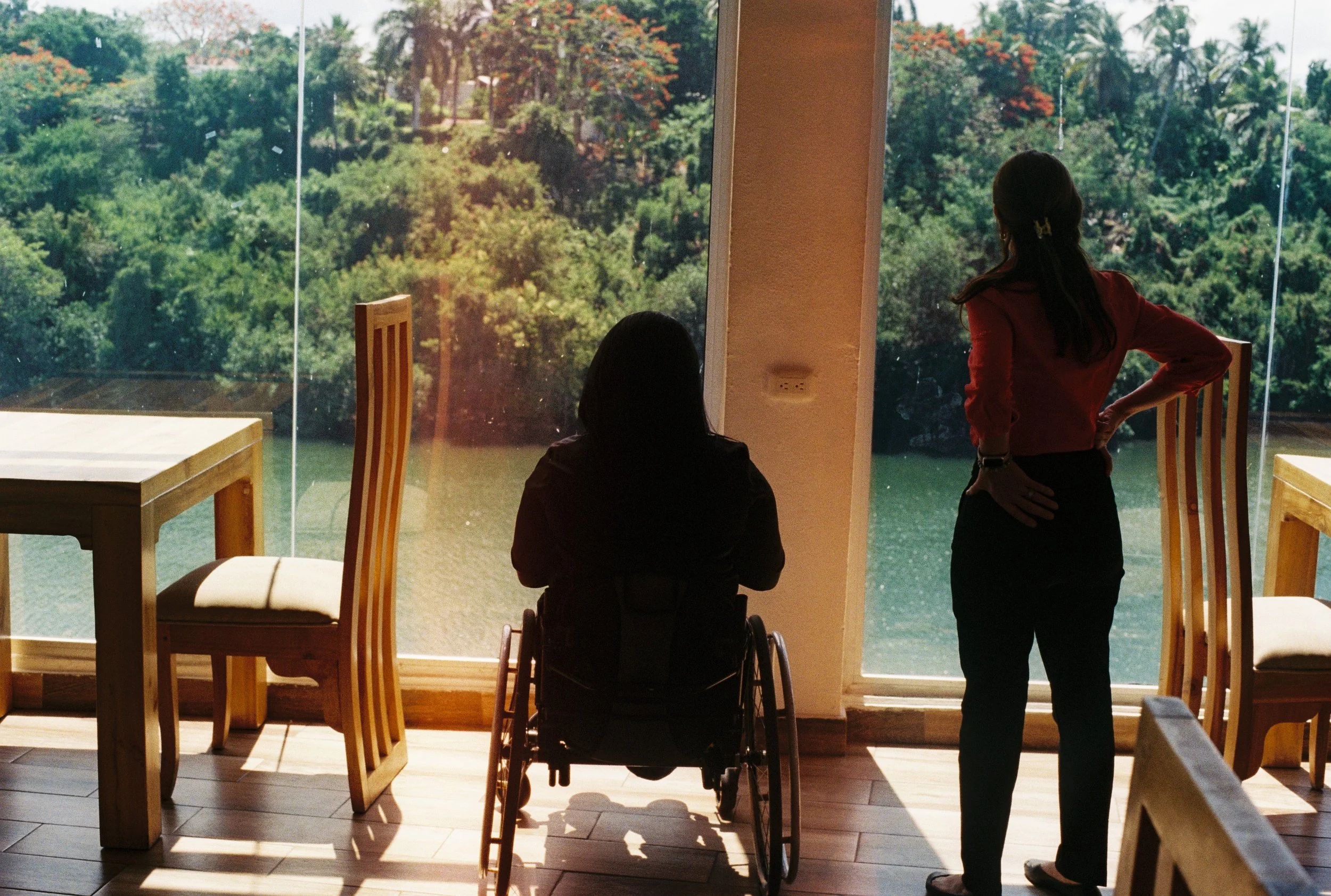
THE INTERVENTIONS: LAGUNA GRI GRI (2026) | Canon AE-1 | Kodak Ultramax 400, 35mm
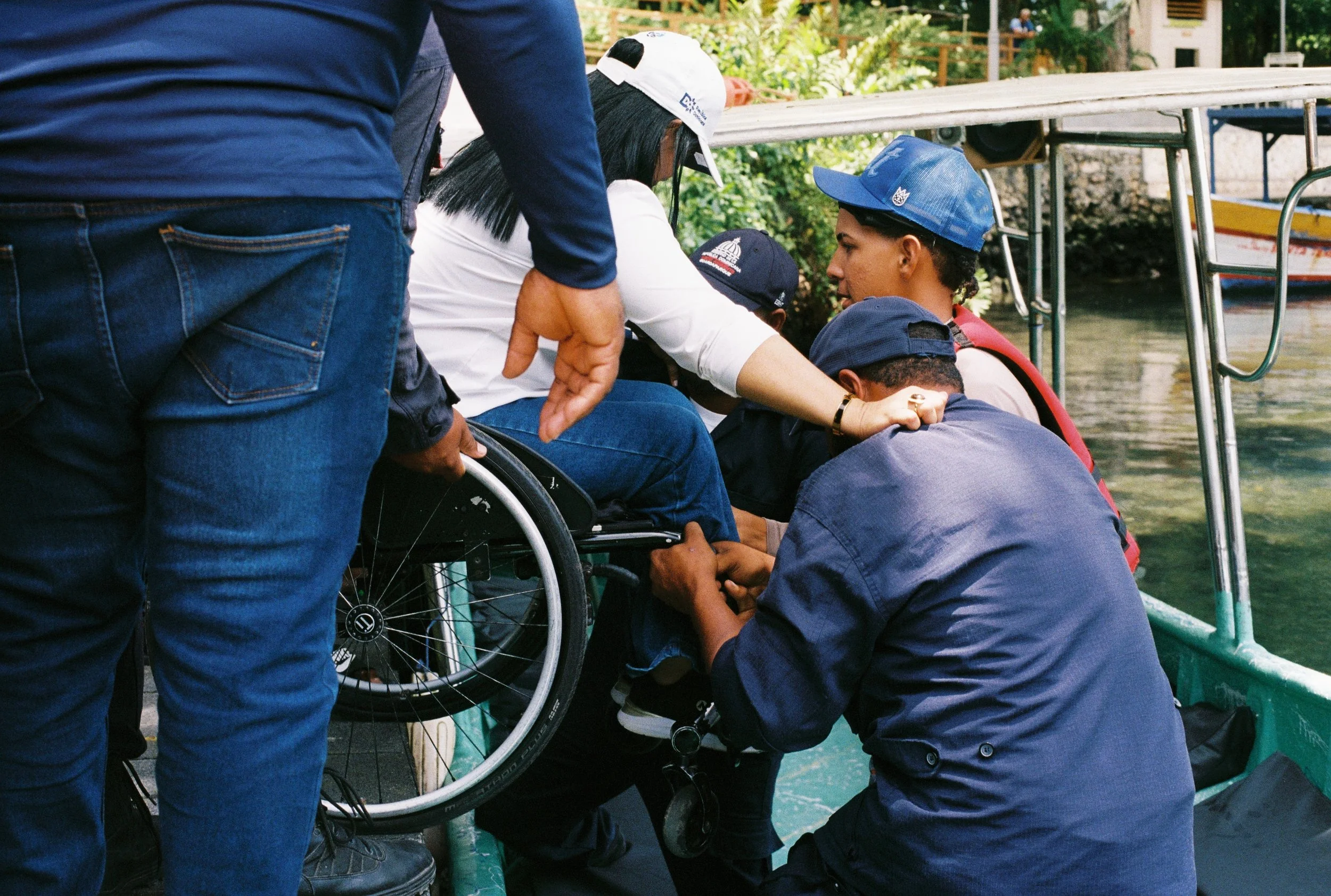
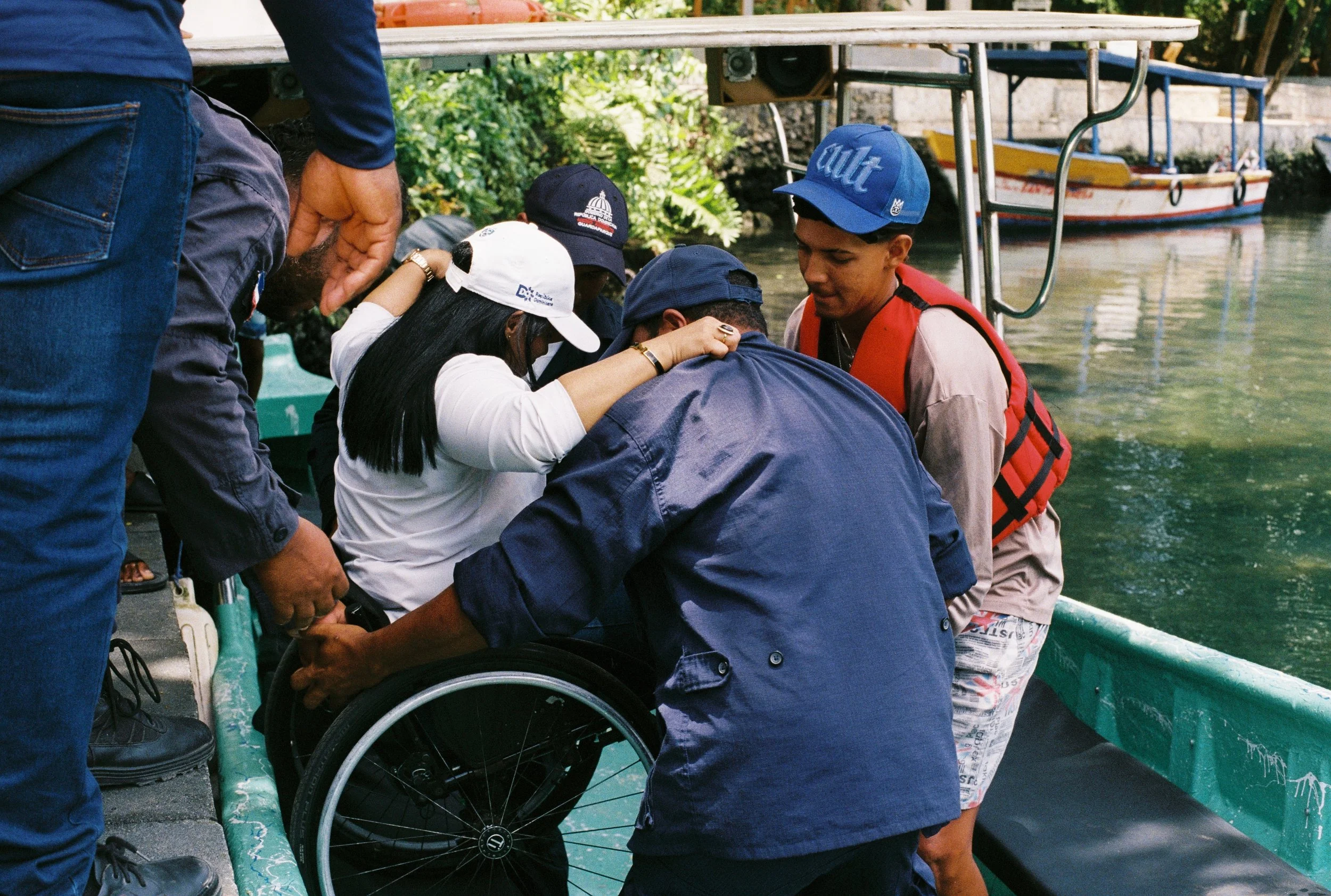
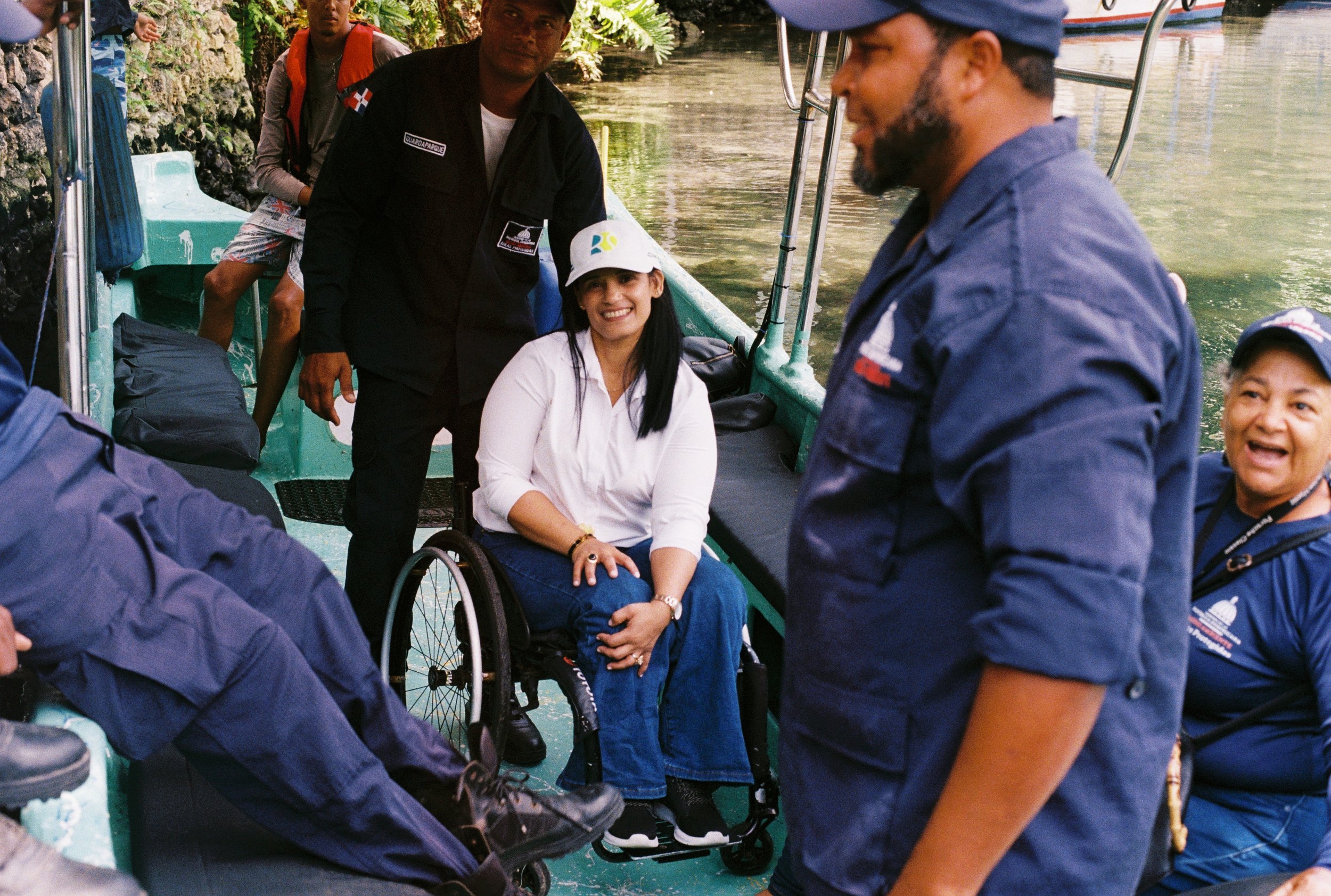
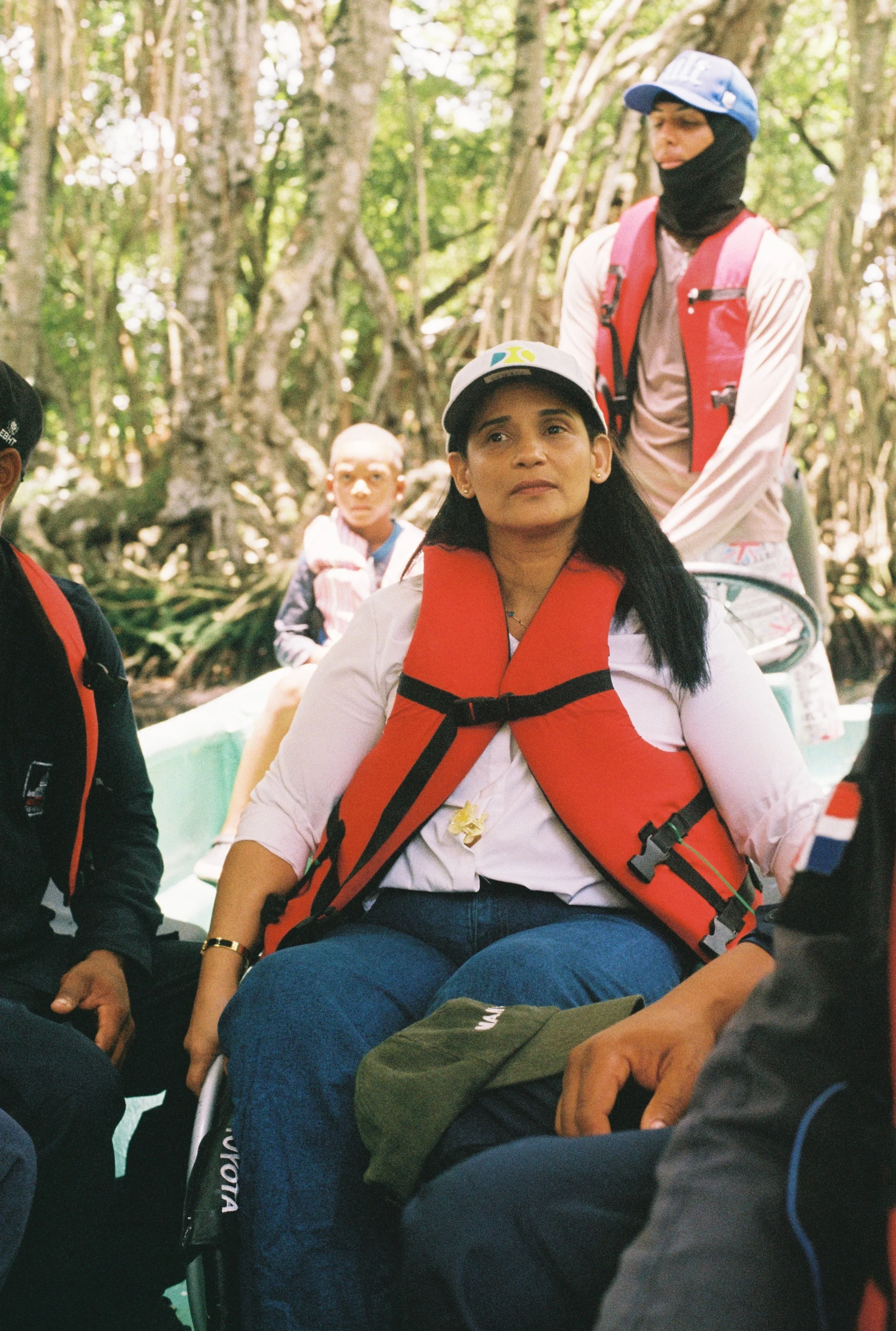
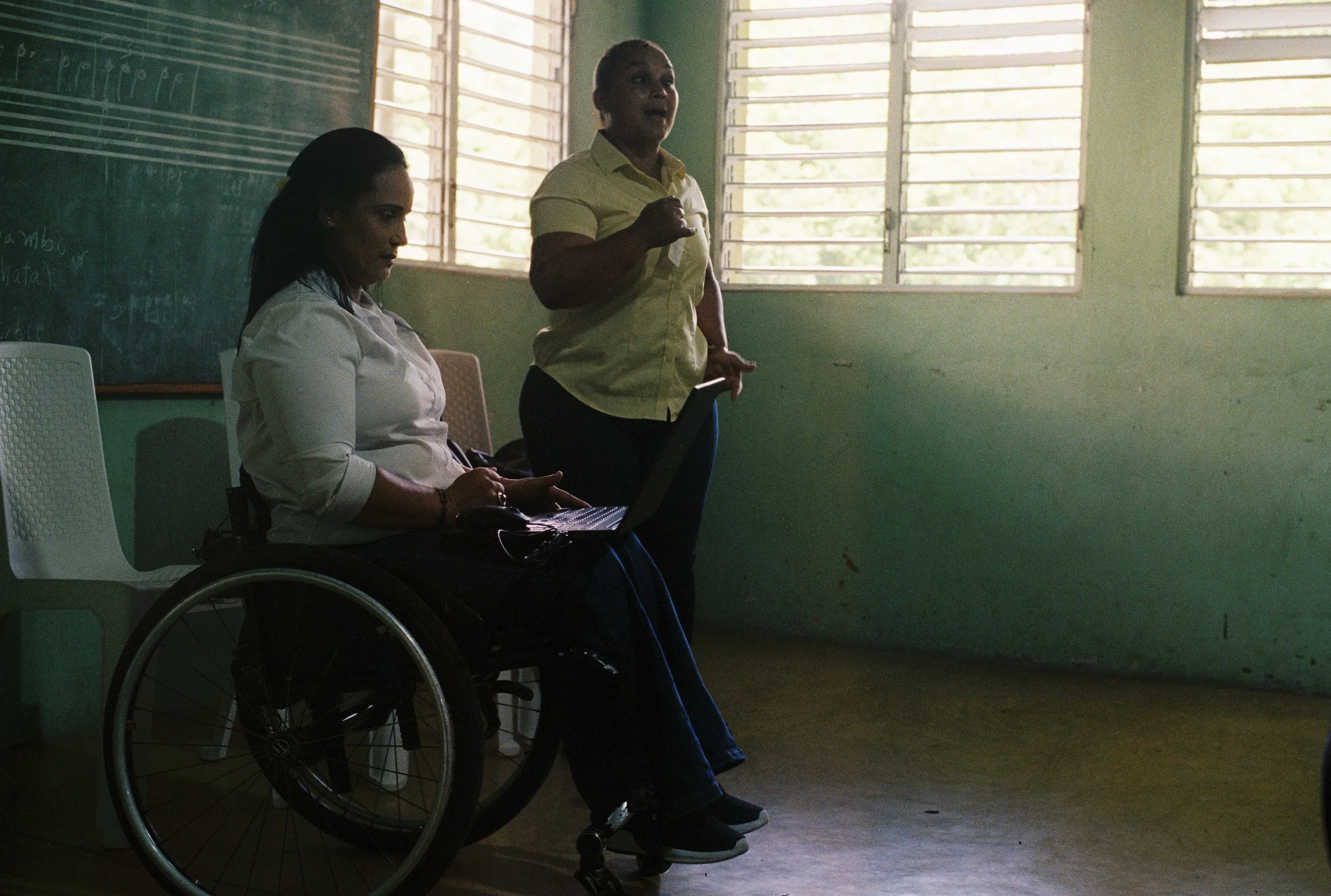
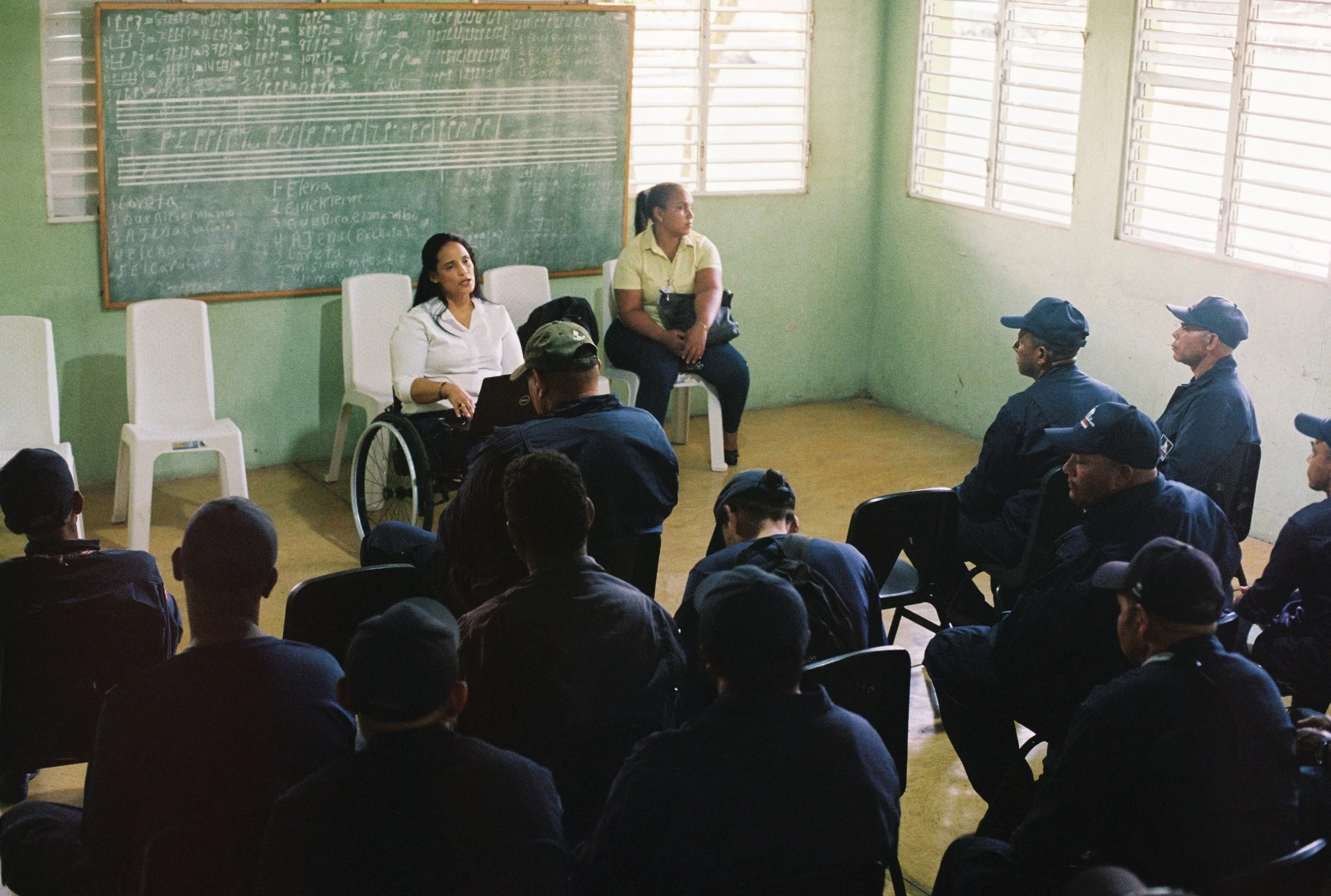
These photographs document my travels across the Dominican Republic with Miguelina de Jesús, who is a wheelchair user, and Yahaira Pérez, a blind woman, both members of the National Council on Disability. The journeys form part of my ongoing intervention within the Ministry of Environment and Natural Resources, where, together with the National Council on Disability, we developed and implemented the country's first nationwide training program on disability rights for staff working in protected areas.
Because the Dominican Republic's protected areas have historically not been accessible, people with disabilities have largely been absent from these landscapes. These photographs document moments in which institutional and ecological spaces historically shaped by barriers to access are entered and experienced by Miguelina and Yari, who became the first people with disabilities to access these sites. Their presence marks a shift in the conditions of who these spaces have been designed to receive and how they can be encountered.