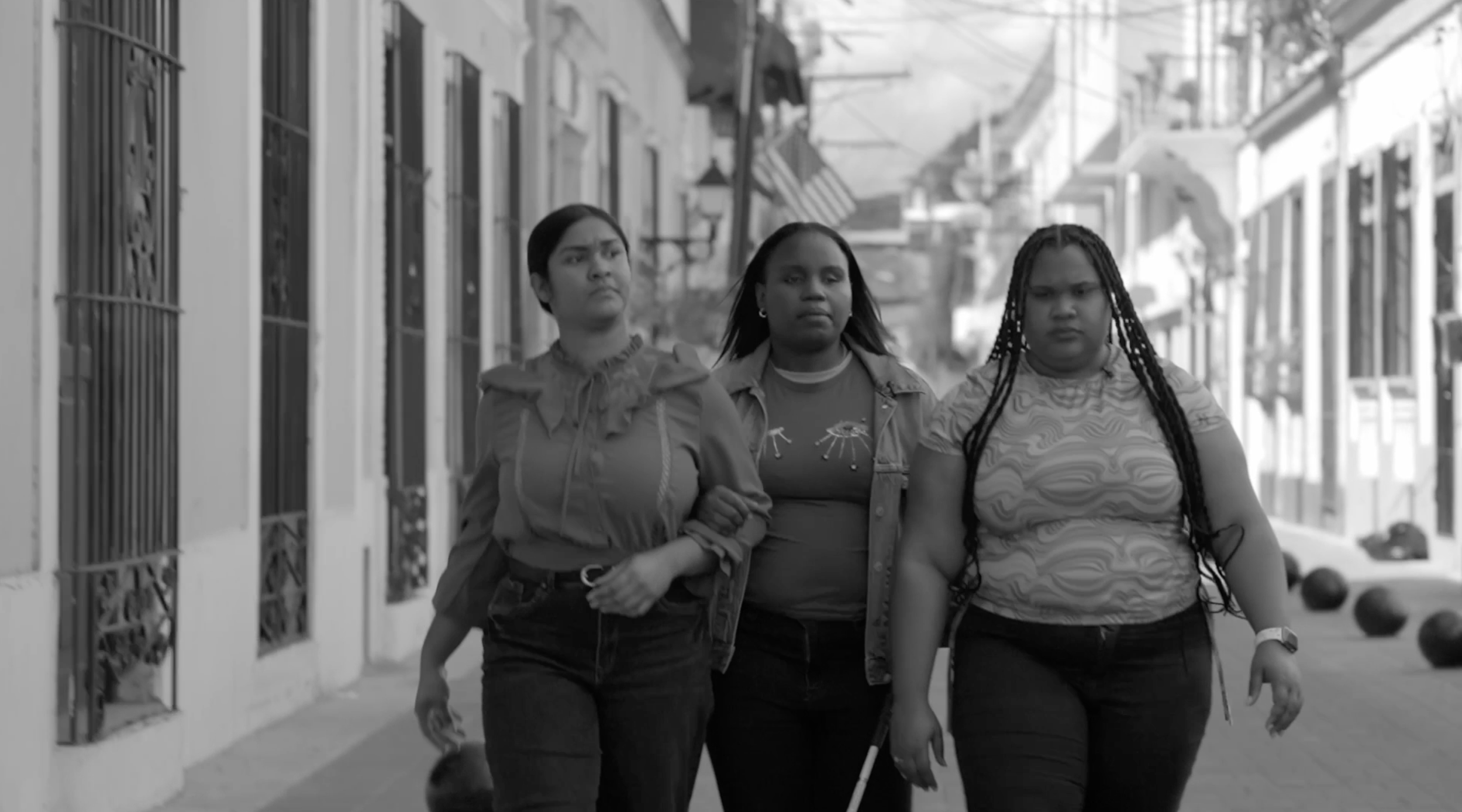
LA OCUPACIÓN | The Occupation (2026)
Curated by José Roca
Eduardo León Jimenes Art Competition Official Selection
Medium: Multi-channel video installation
Running Time: 5'44"
Collaborators:
Nicol Duran
Doralys De La Cruz
Merlyna De Jesús, sign language interpreter
Developed with academic accompaniment by Dr. Luisa De Peña, Founder and Director of the Dominican Museum of Memory and Resistance; and Cristina Francisco, Founder and President of the Dominican Circle of Women With Disabilities.
The sound environment incorporates a musical collaboration by David Rothenberg alongside recordings of humpback whales documented in Tortola by Paul Knapp. Footage of the humpback whales is by Tom Collins.
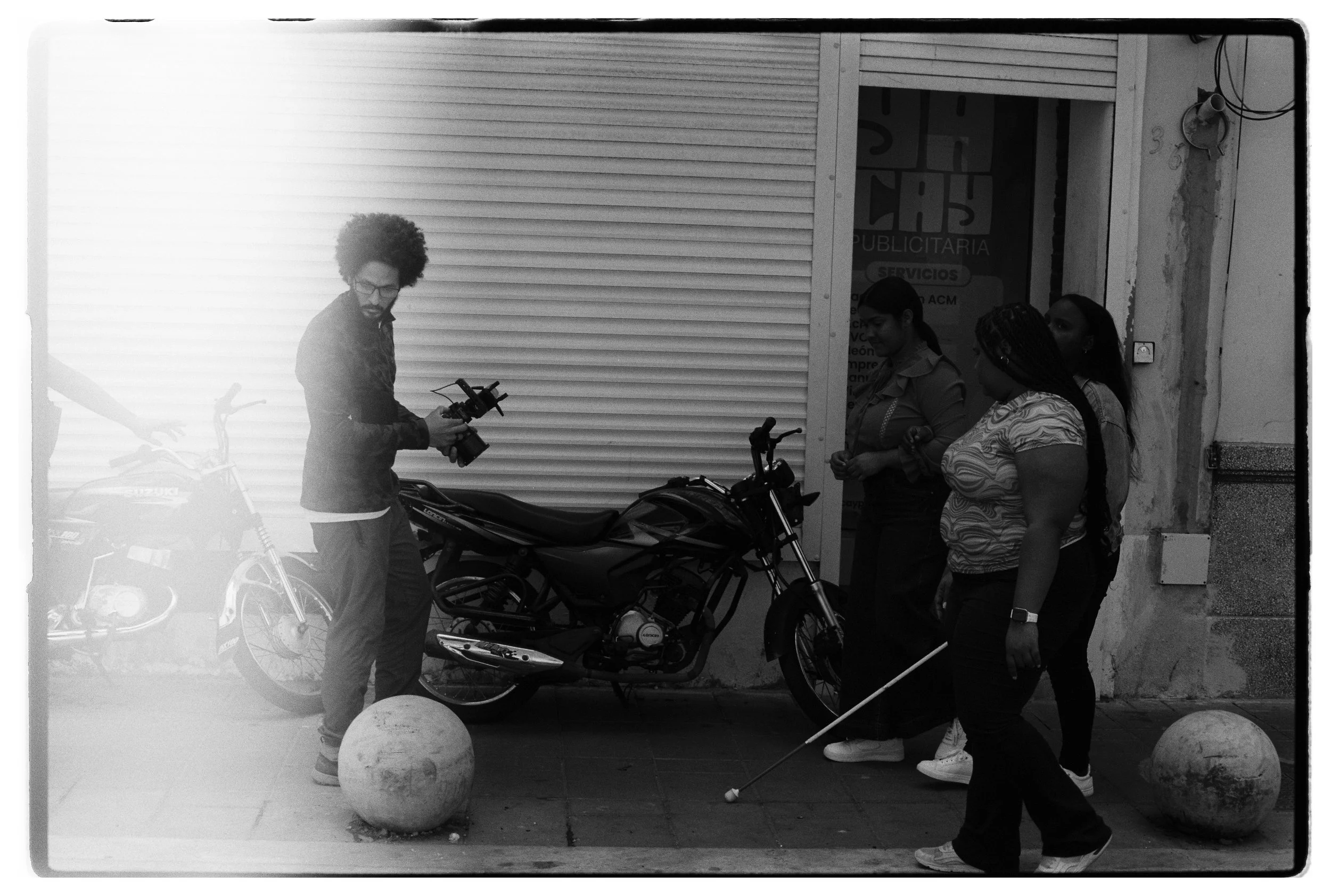
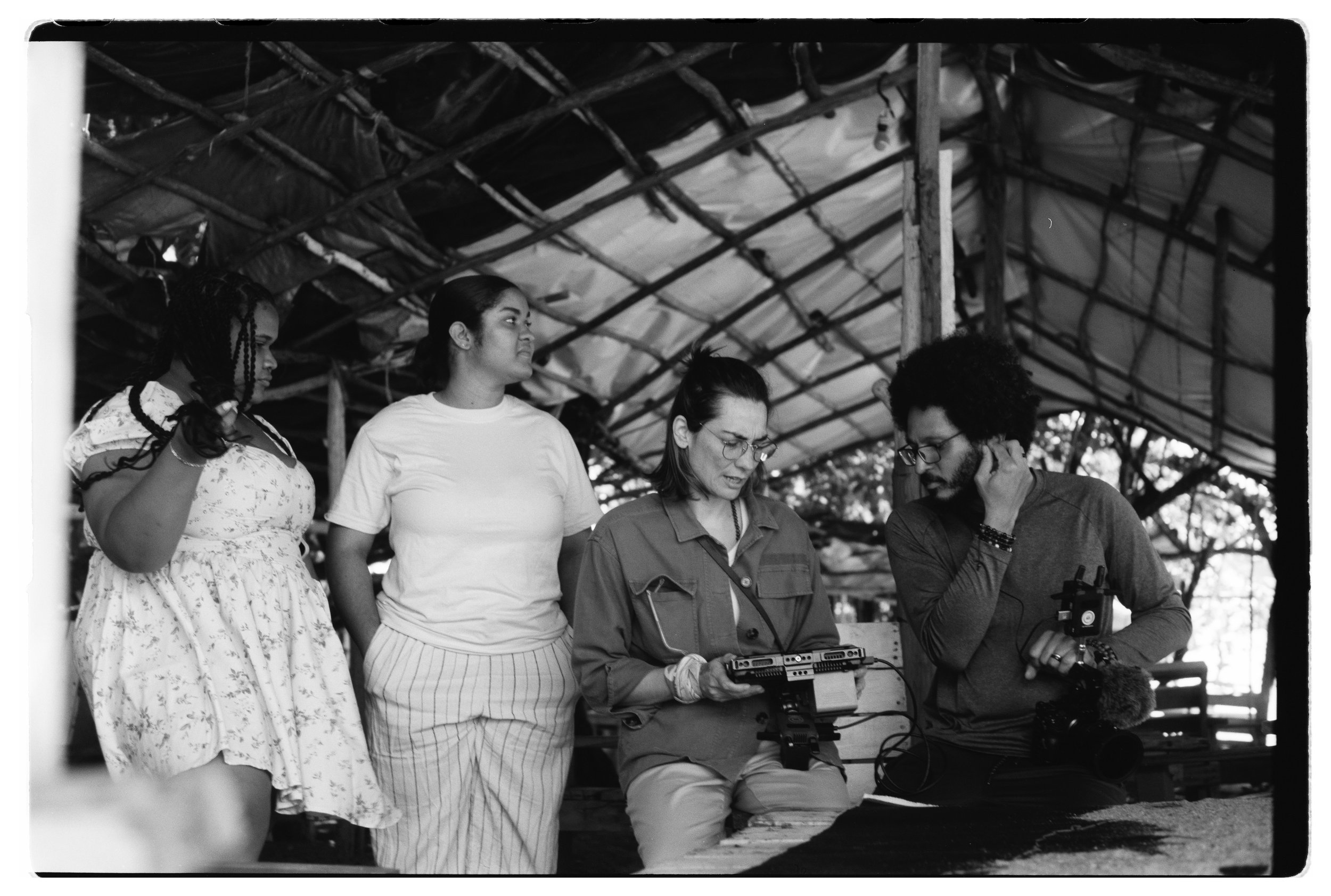
Camera operation and equipment by Alexander Saint-Hillaire. Camera assistance by Gerardo Jaramillo.
Directed and edited by Noa Batlle.
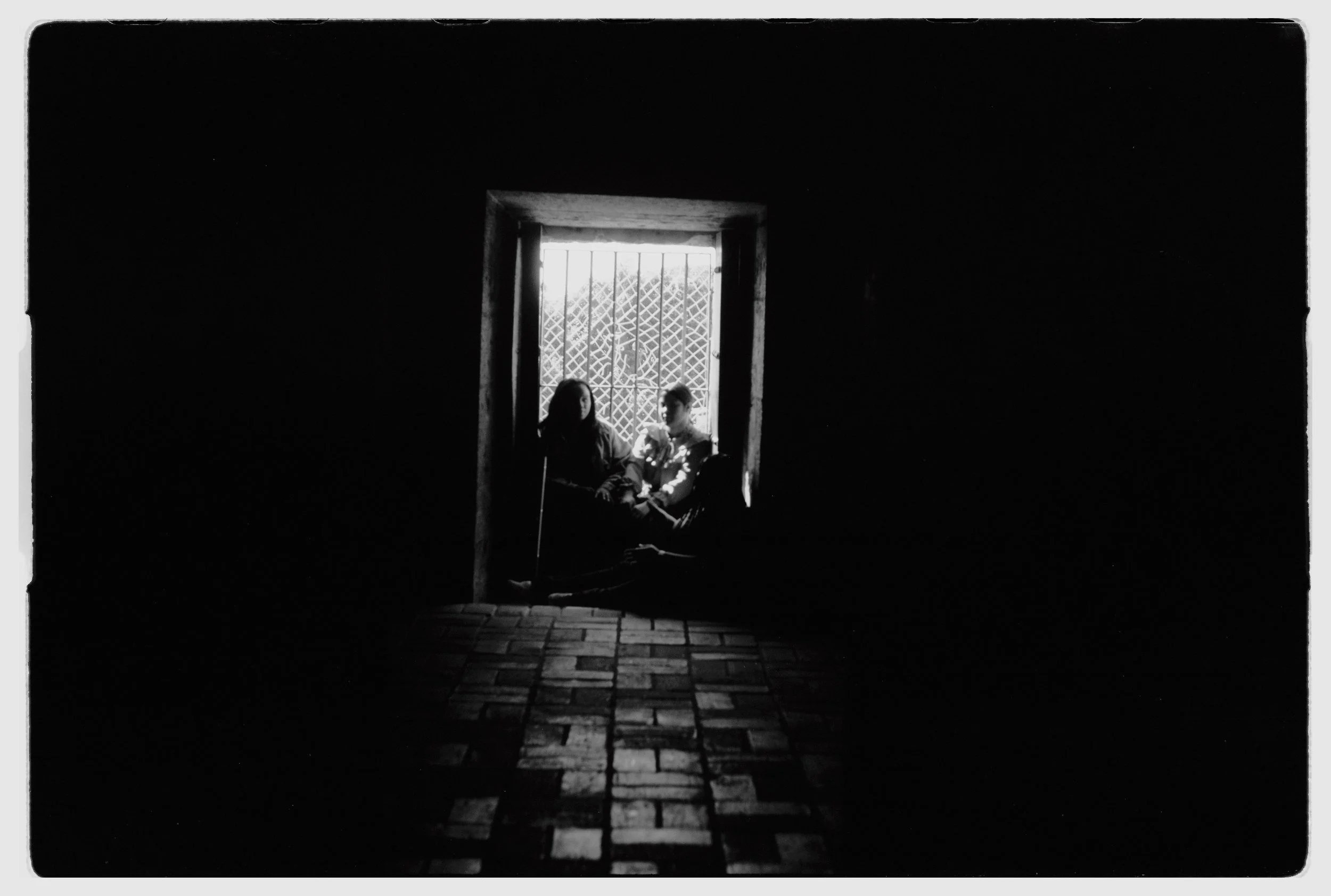
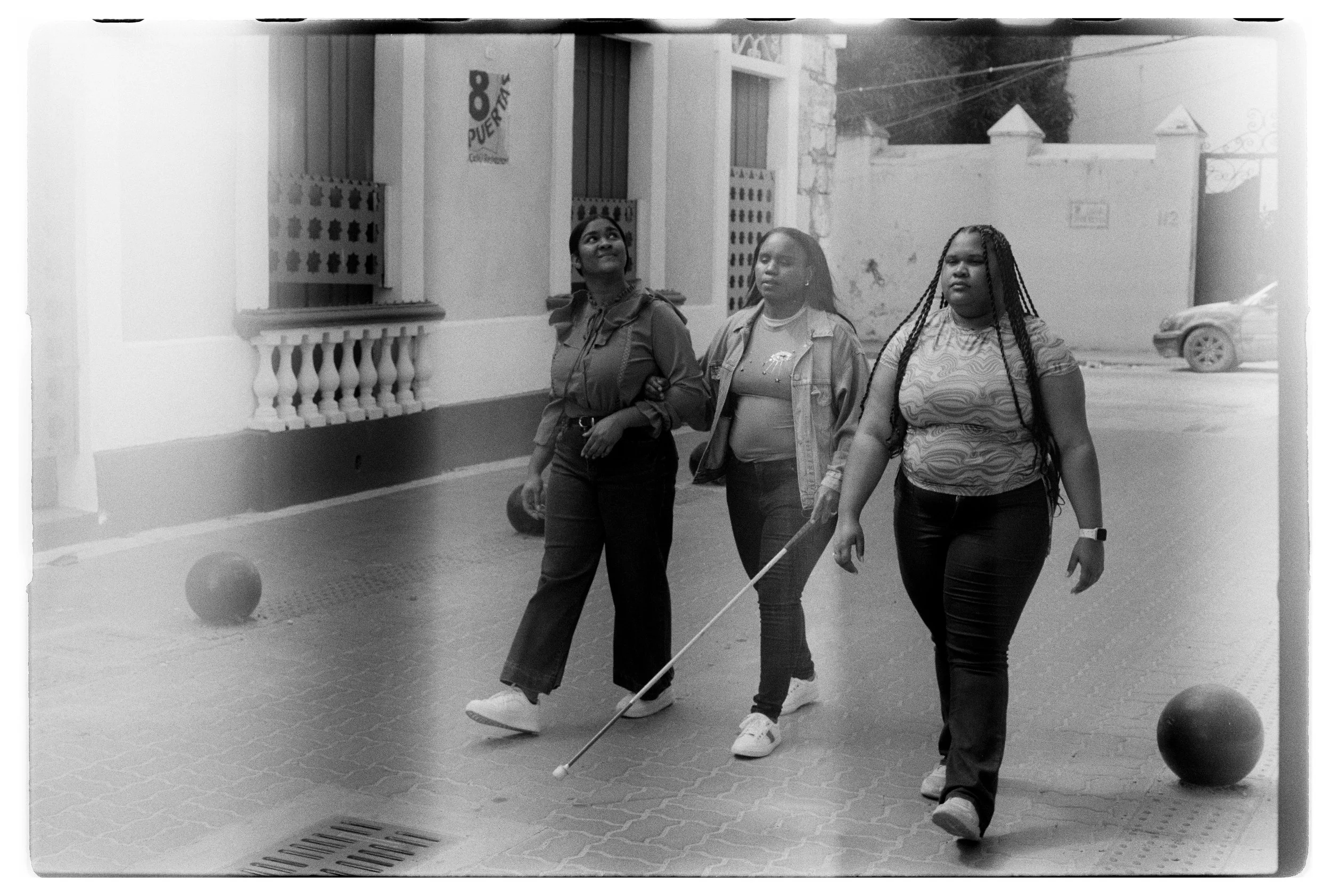
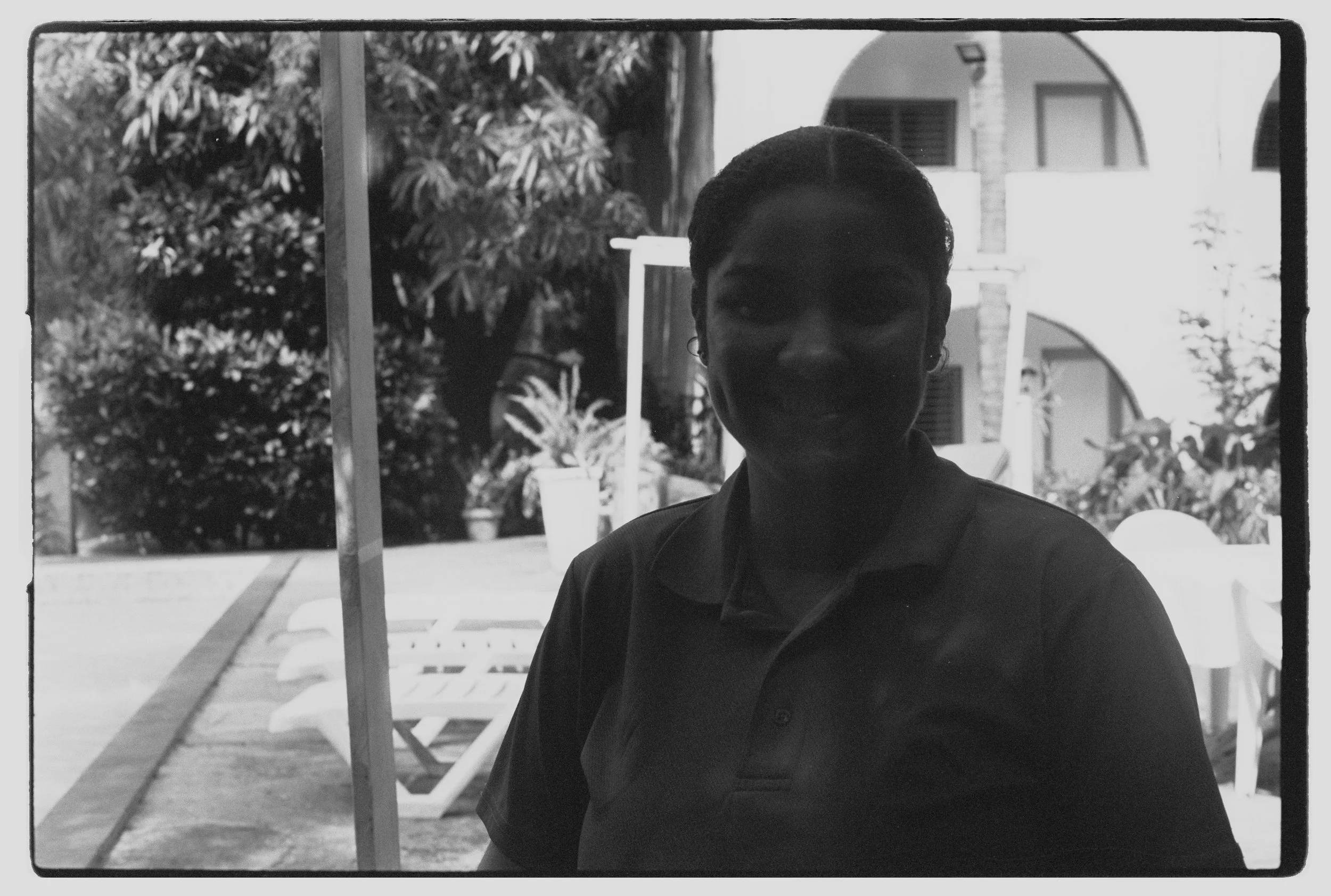
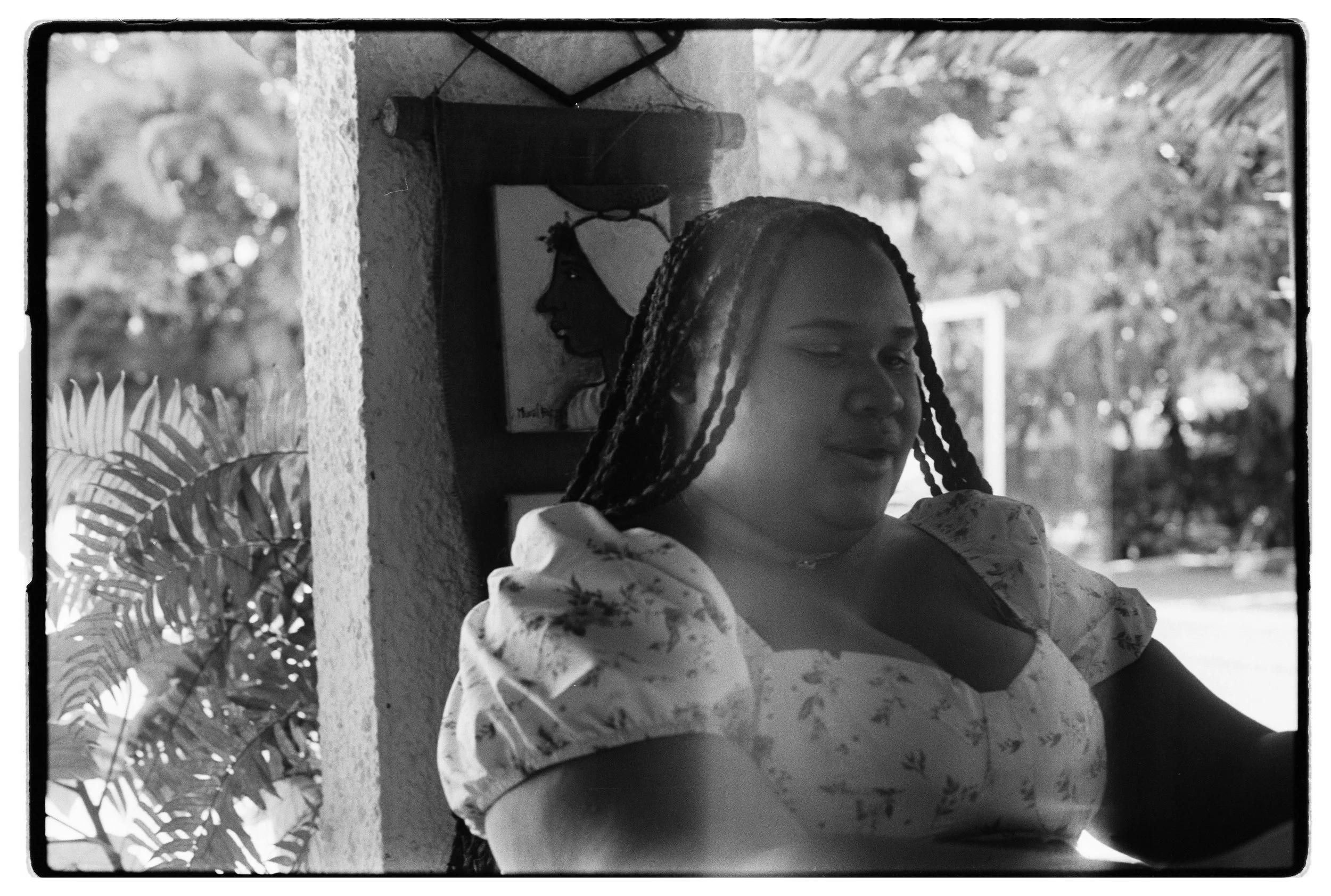
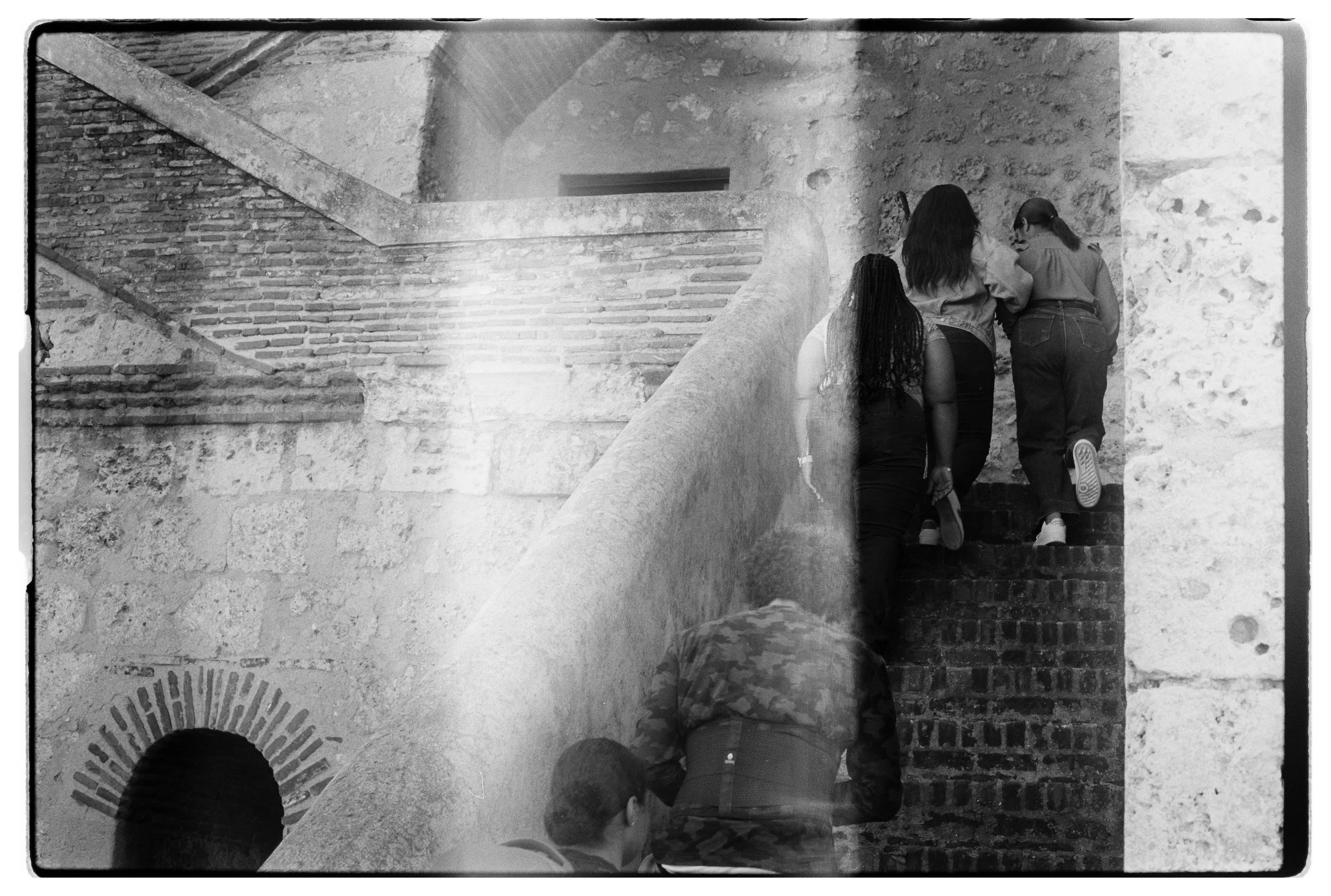
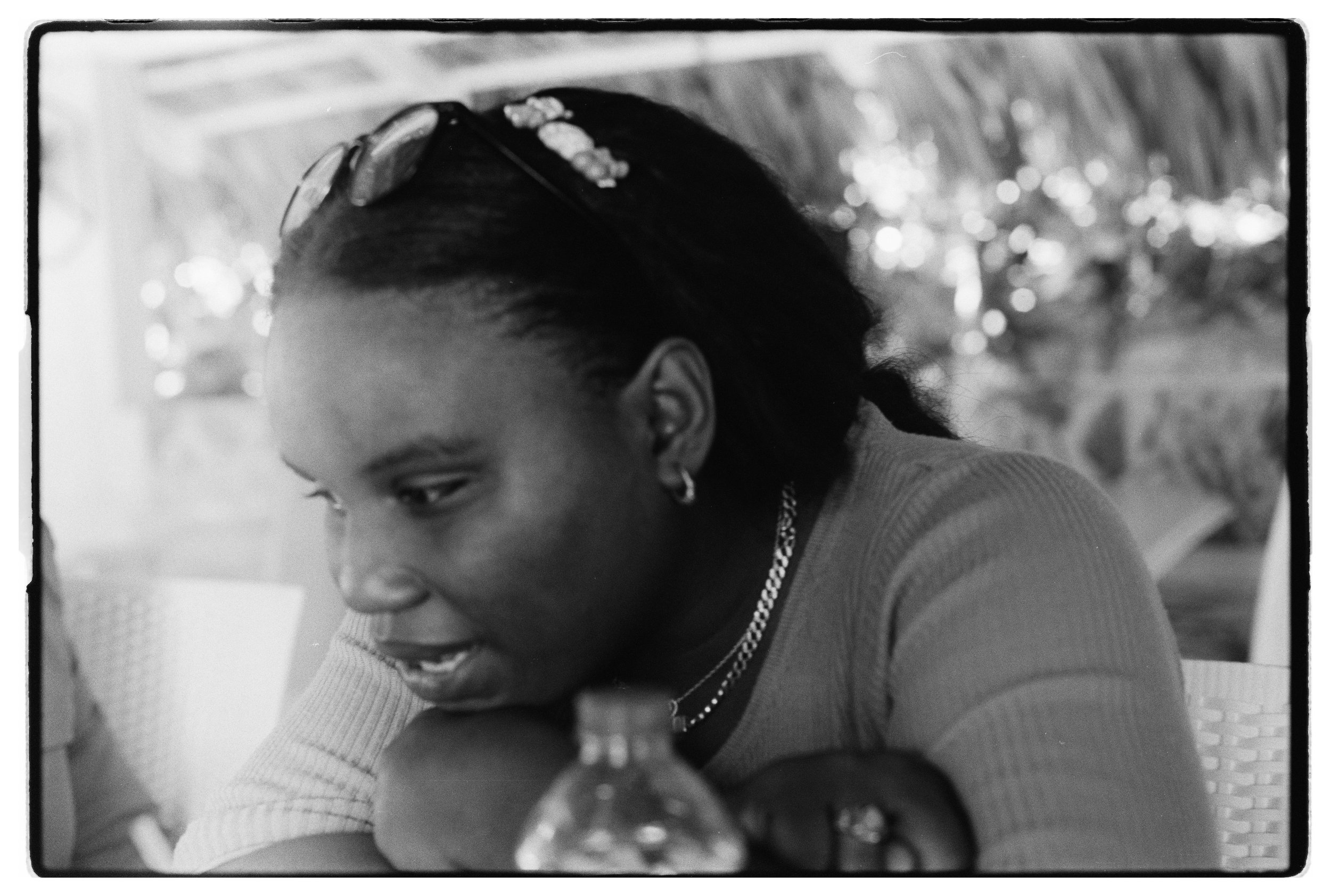
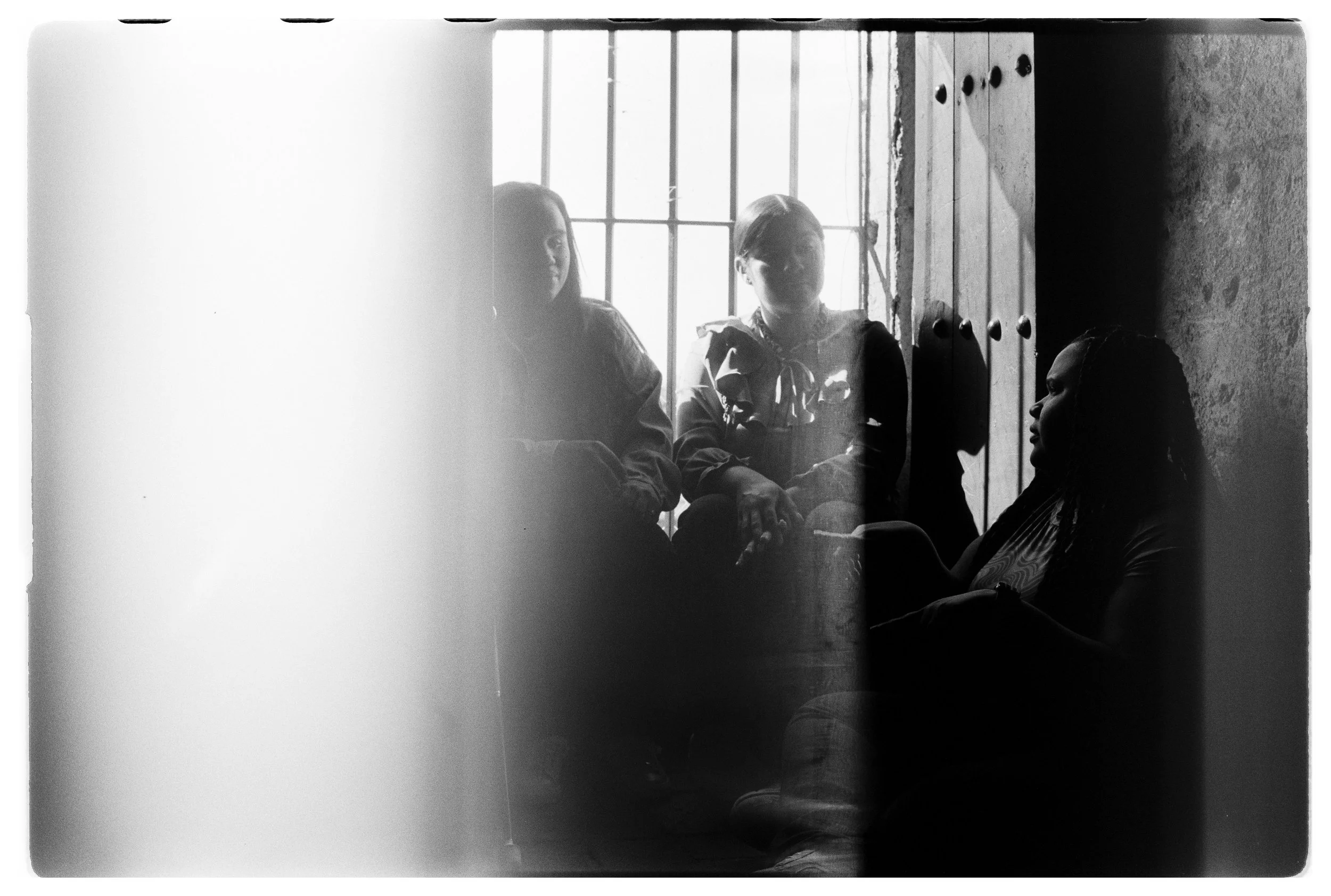
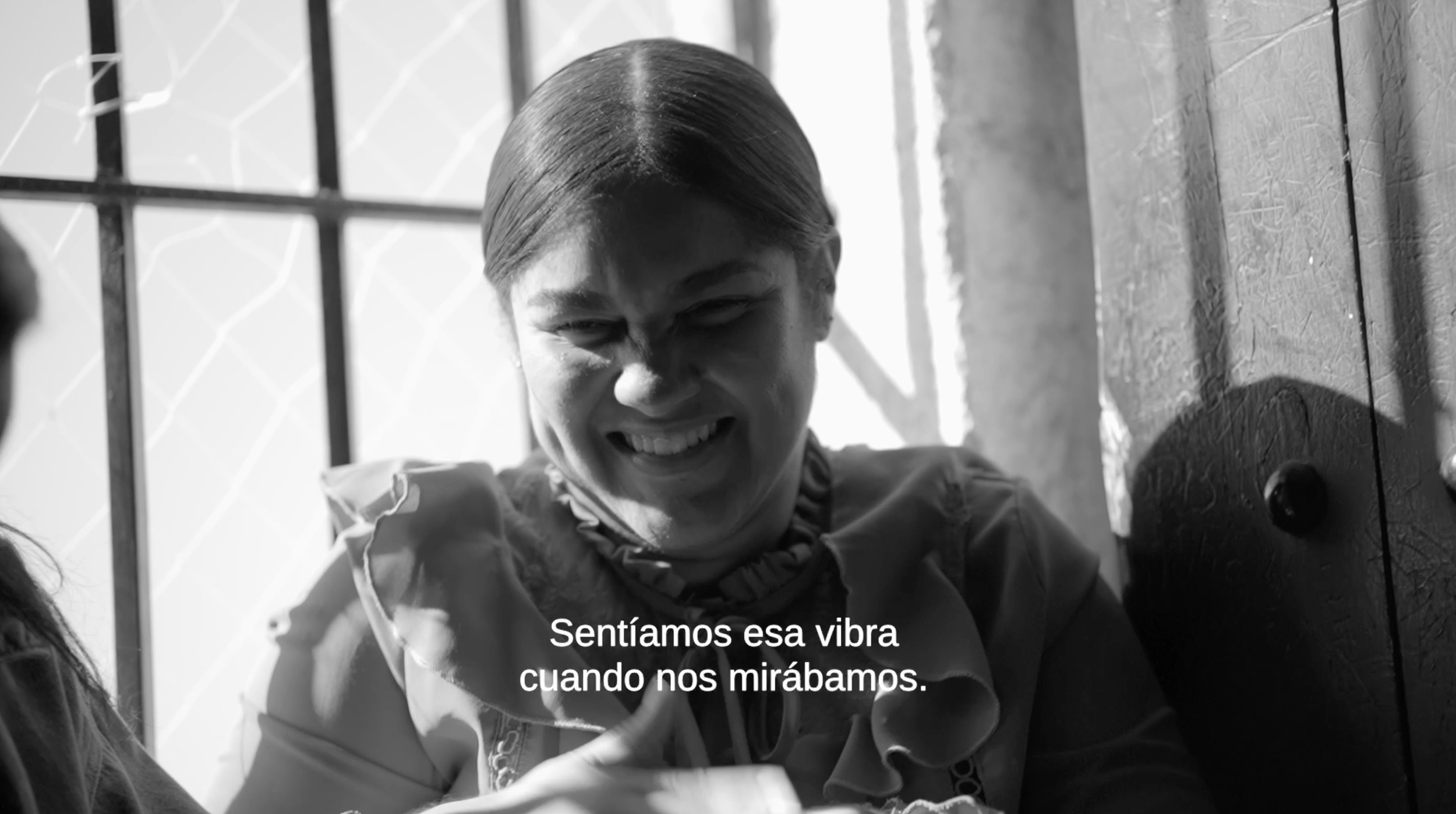
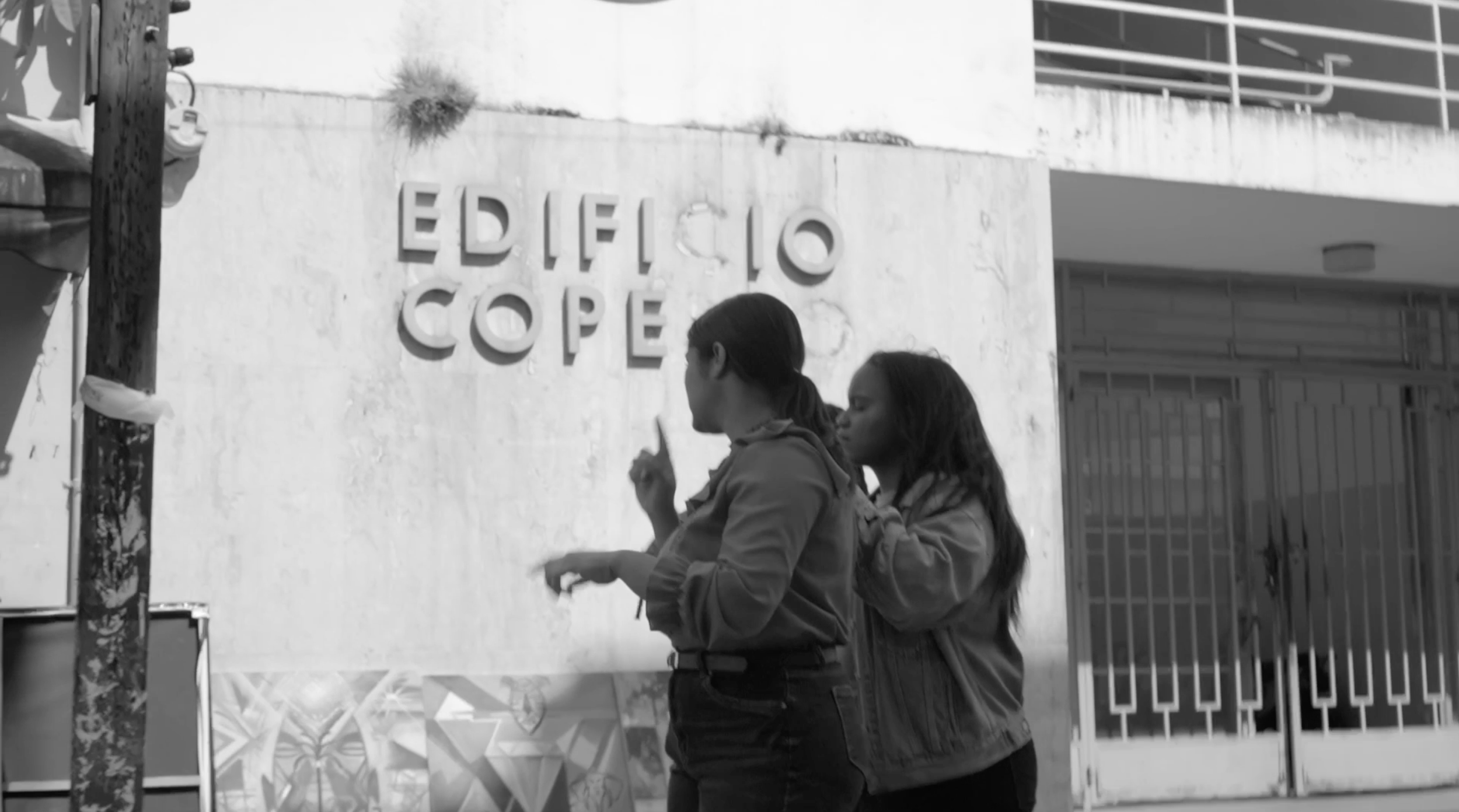
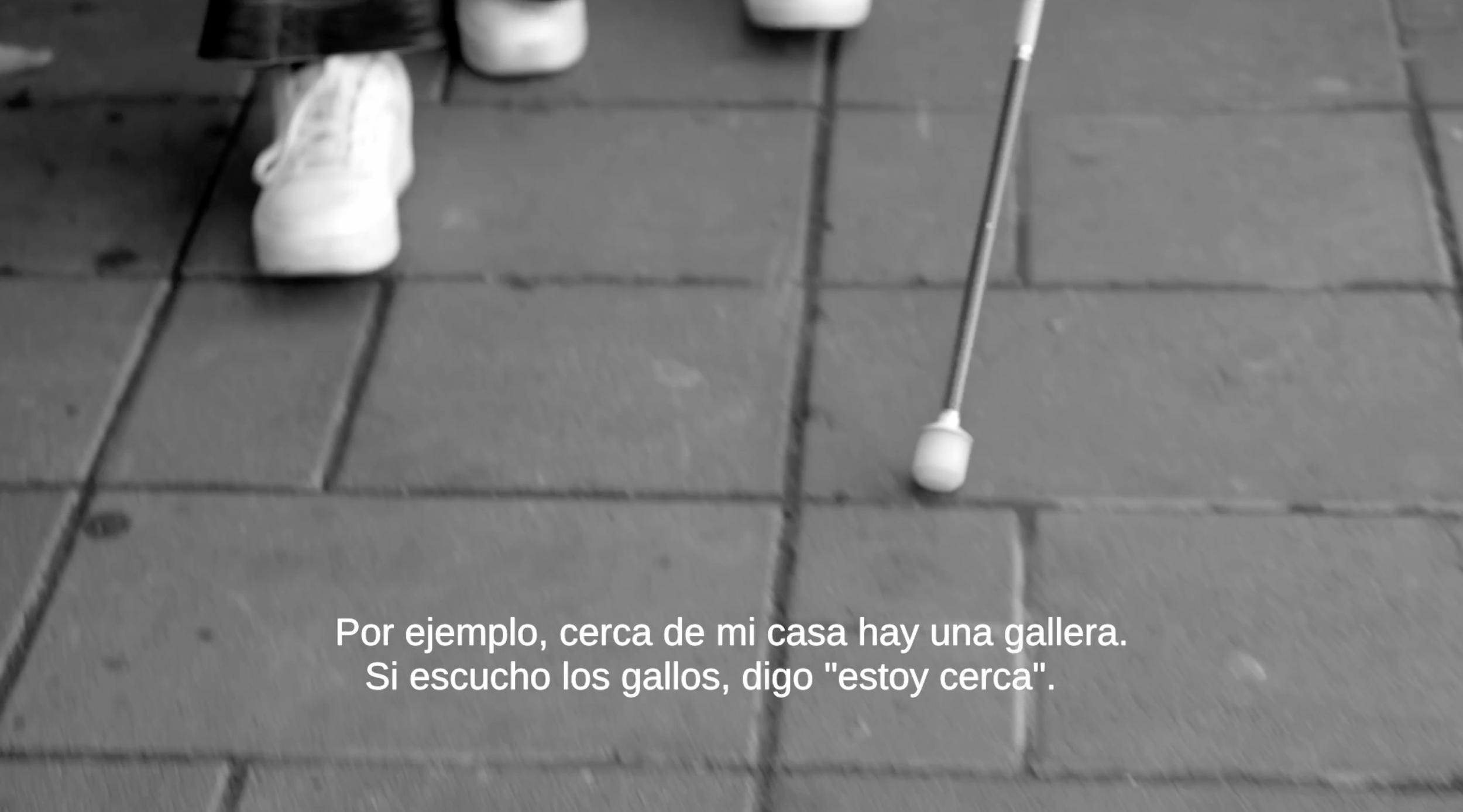
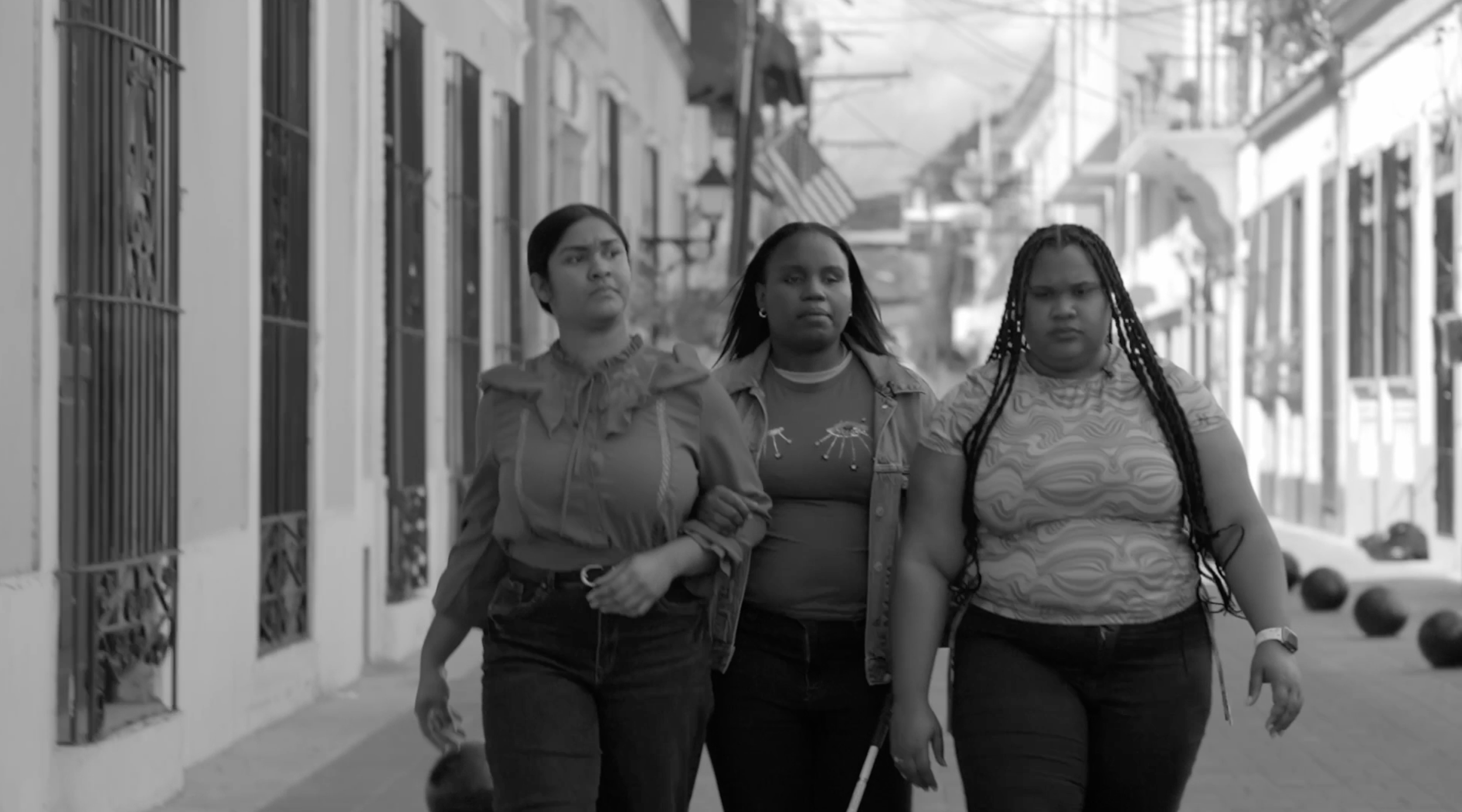
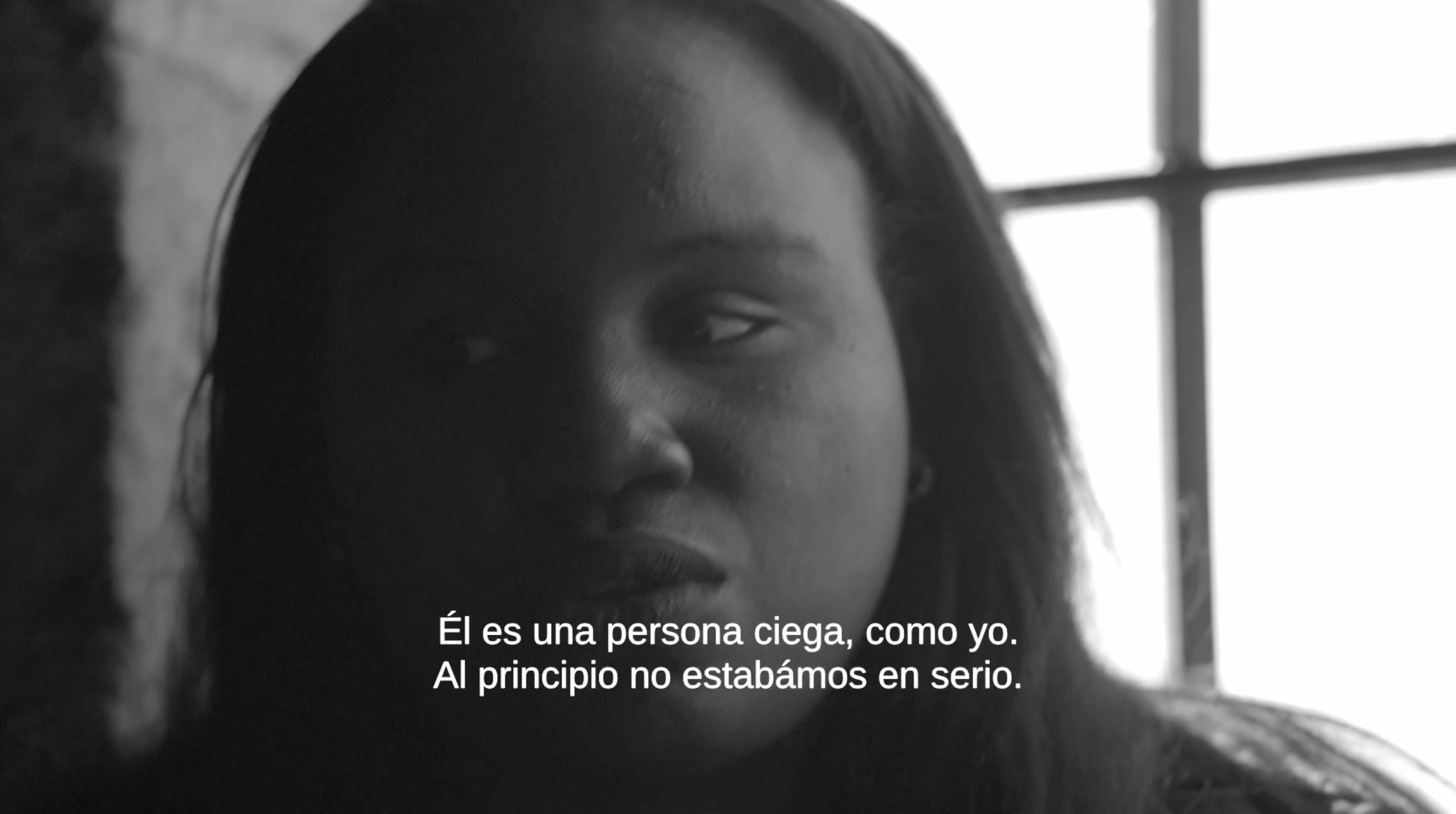
La Ocupación (2026) follows three women—a blind person, a Deaf person, and a sign language interpreter—through sites in Santo Domingo historically linked to military occupations, approached as active layers of meaning that continue to structure the city’s contemporary experience. Throughout the journey, they engage in conversations about inhabiting their bodies and navigating life through distinct sensory experiences.
From this perspective, La Ocupación proposes a re-reading of the concept of occupation: not as military control or territorial domination, but as the inhabitation of the body, senses, and lived experience within a space historically organized through hierarchies of legitimacy and exclusion.
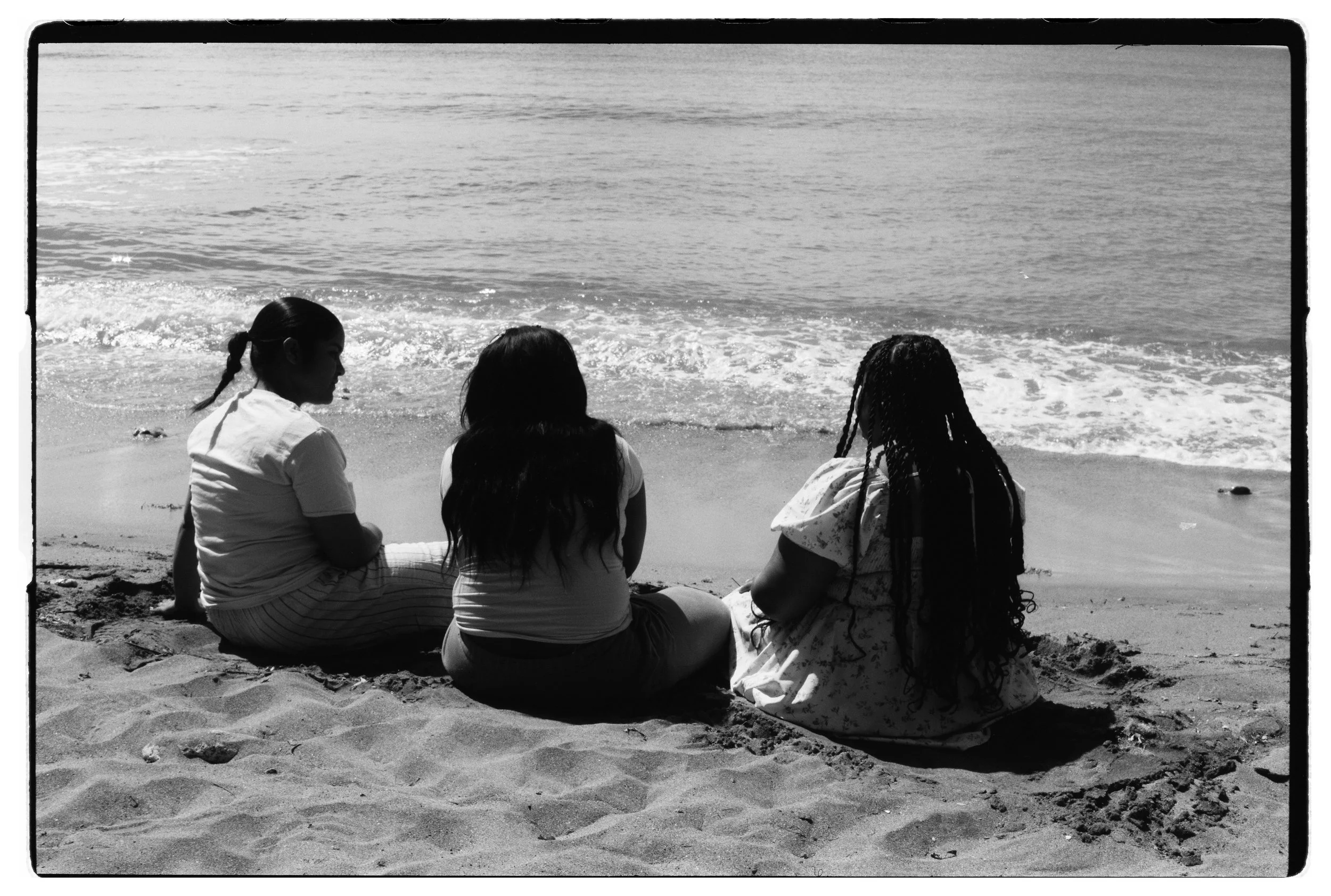
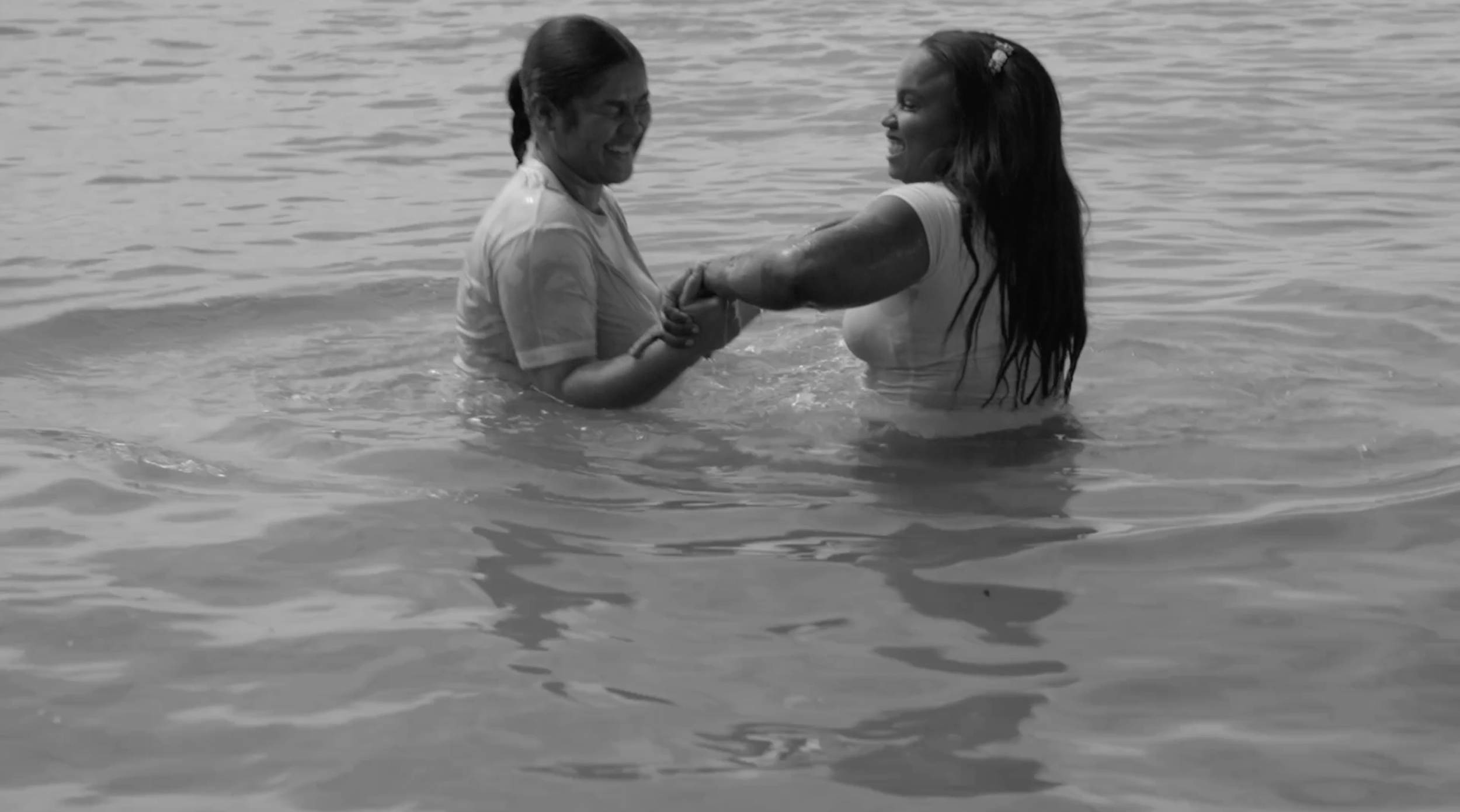
The journey culminates in the Caribbean Sea. To enter the water, the women leave behind the interpreter, continuing instead through a sensory exchange with the sea itself.
Two historically excluded bodies become mutually included within one another’s worlds.
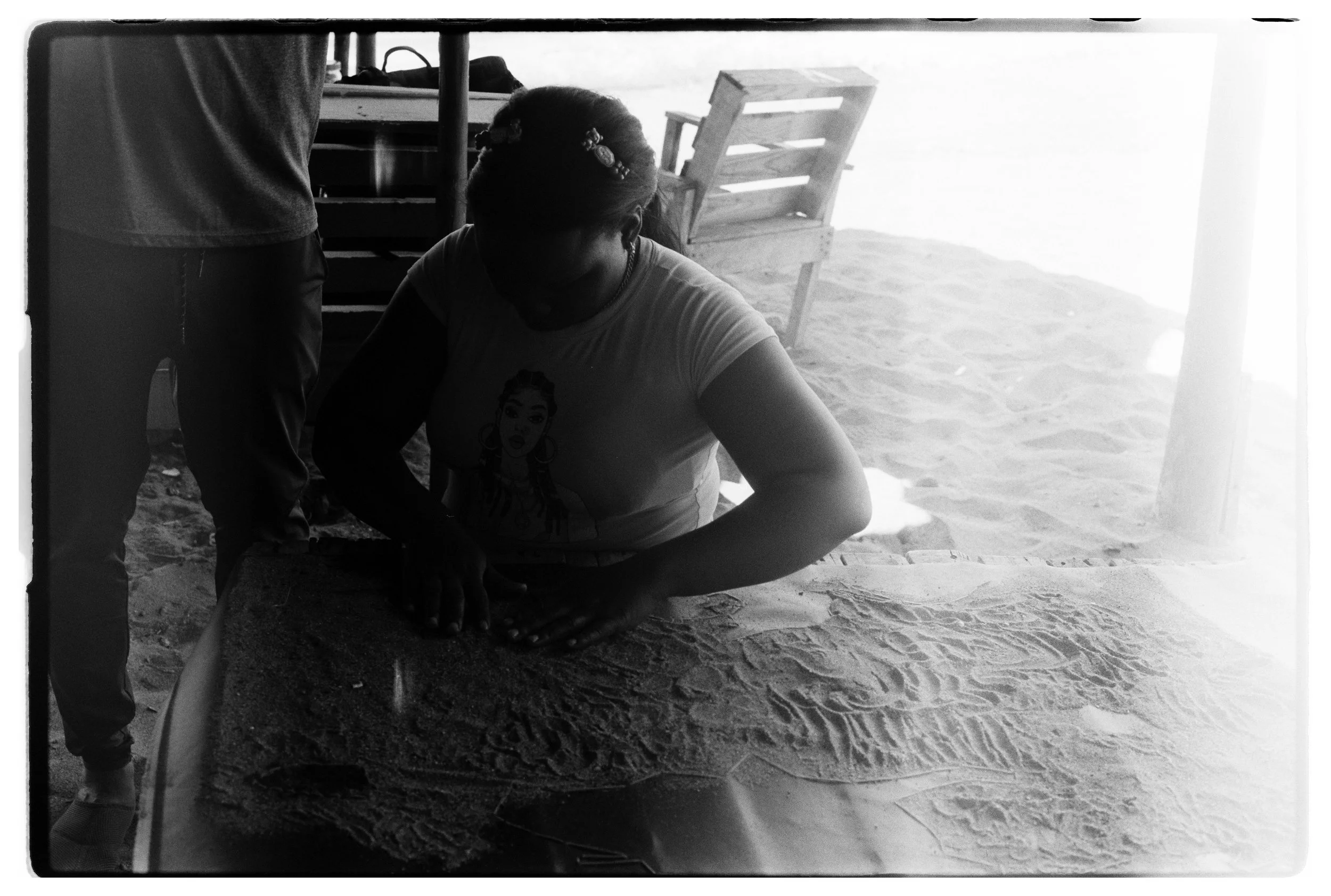
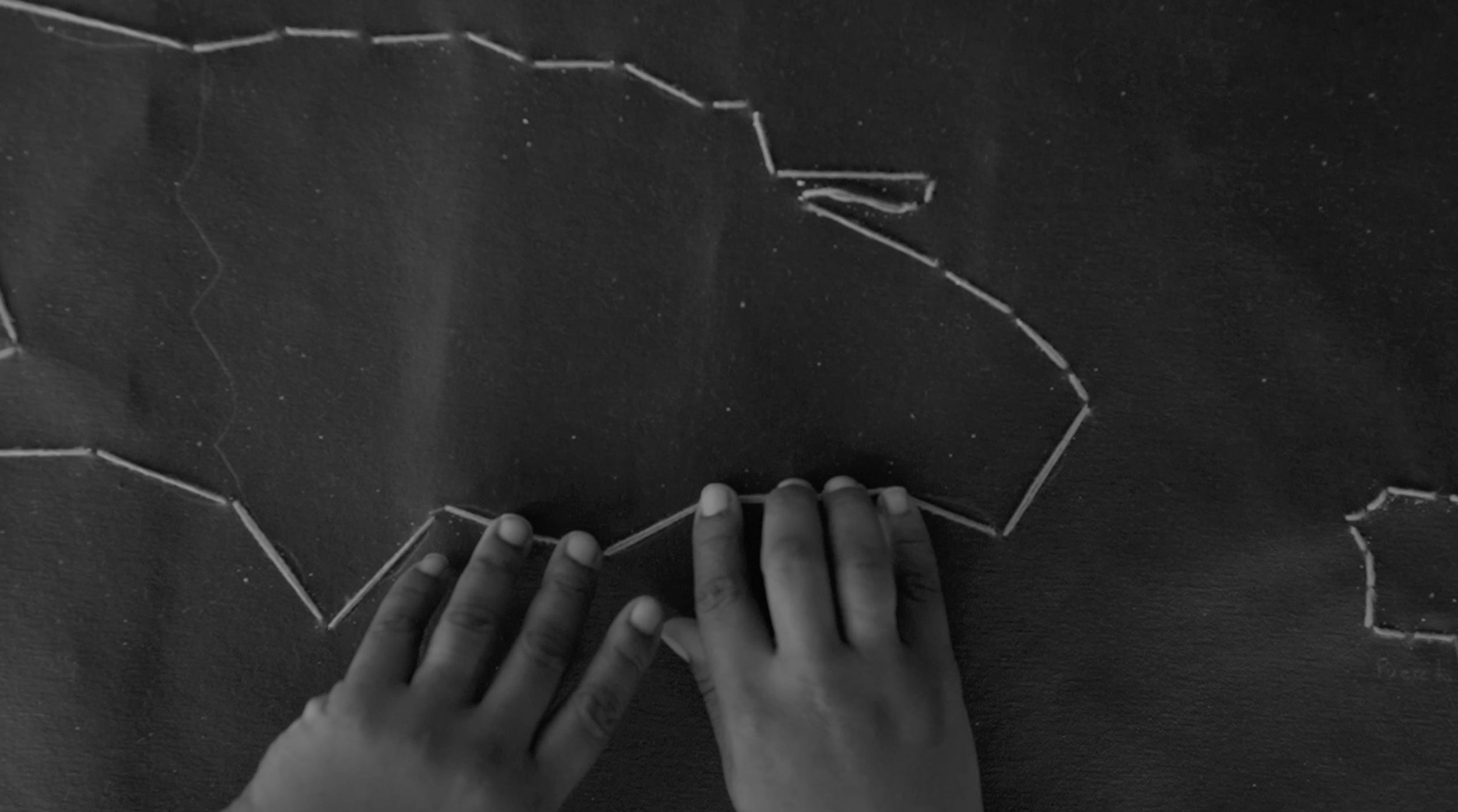
In the multi-channel installation, additional elements emerge—a stitched map functioning as a tactile surface and humpback whales beneath the Caribbean Sea—expanding the notion of occupation toward both human and non-human scales. The sea, too, has been and continues to be shaped by dynamics of occupation.
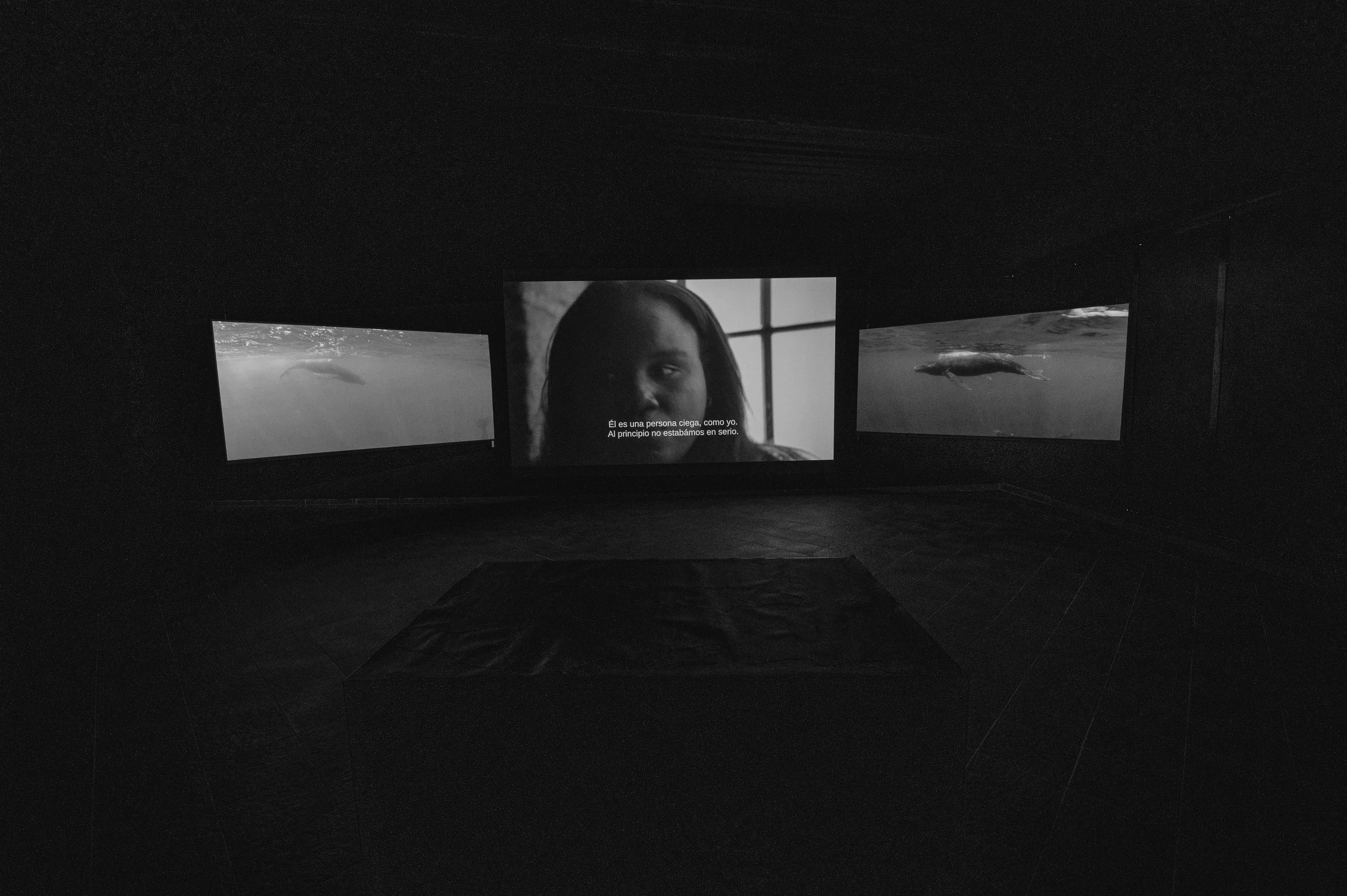
La Ocupación (2026) Video-Installation | Eduardo León Jimenes Art Competition
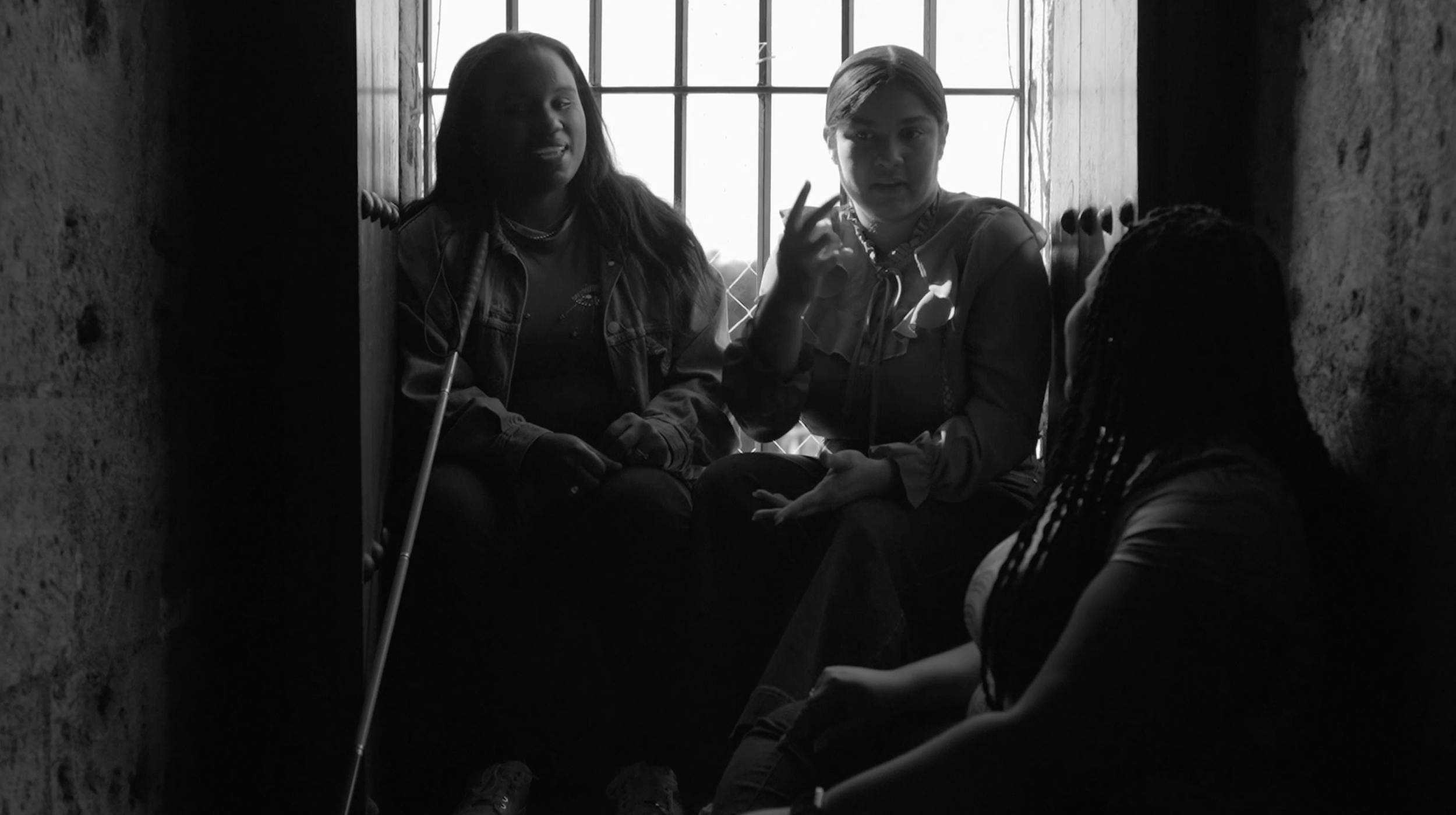
Analog Process Documentation
(35mm film photographs)