THE INTERVENTIONS
Ministry of Environment (2025-Present)
National Botanical Garden (2025-Present)
City Hall of Santo Domingo (2020-2024)
National Electoral Board (2020-2024)
The Interventions is an ongoing body of work unfolding within Dominican public institutions.
Here, the term is reclaimed and reversed. Rather than forms of intervention associated with militarization, domination, and violence, these interventions function as strategic insertions within the architecture of the state, redirecting institutional power toward accessibility, collective participation, and ecological consciousness.
Working across ministries, municipal governance, electoral systems, and the National Botanical Garden, each intervention takes the form of structural change: the creation of new departments, the leadership of interdisciplinary teams, and the development of some of the most accessible electoral processes implemented in the country to date. Situated between public policy and artistic practice, these interventions operate from within the bureaucratic body itself—expanding who the state recognizes, who it serves, and how it imagines the public.
By foregrounding diverse sensory experiences and modes of navigating the world, these interventions challenge normative hierarchies of the senses and open the possibility for the state to learn from the bodies it has historically excluded. In this sense, accessibility operates not only as a political or social framework, but as an epistemic one—reconfiguring how reality is perceived, understood, and produced from within the structures of governance.
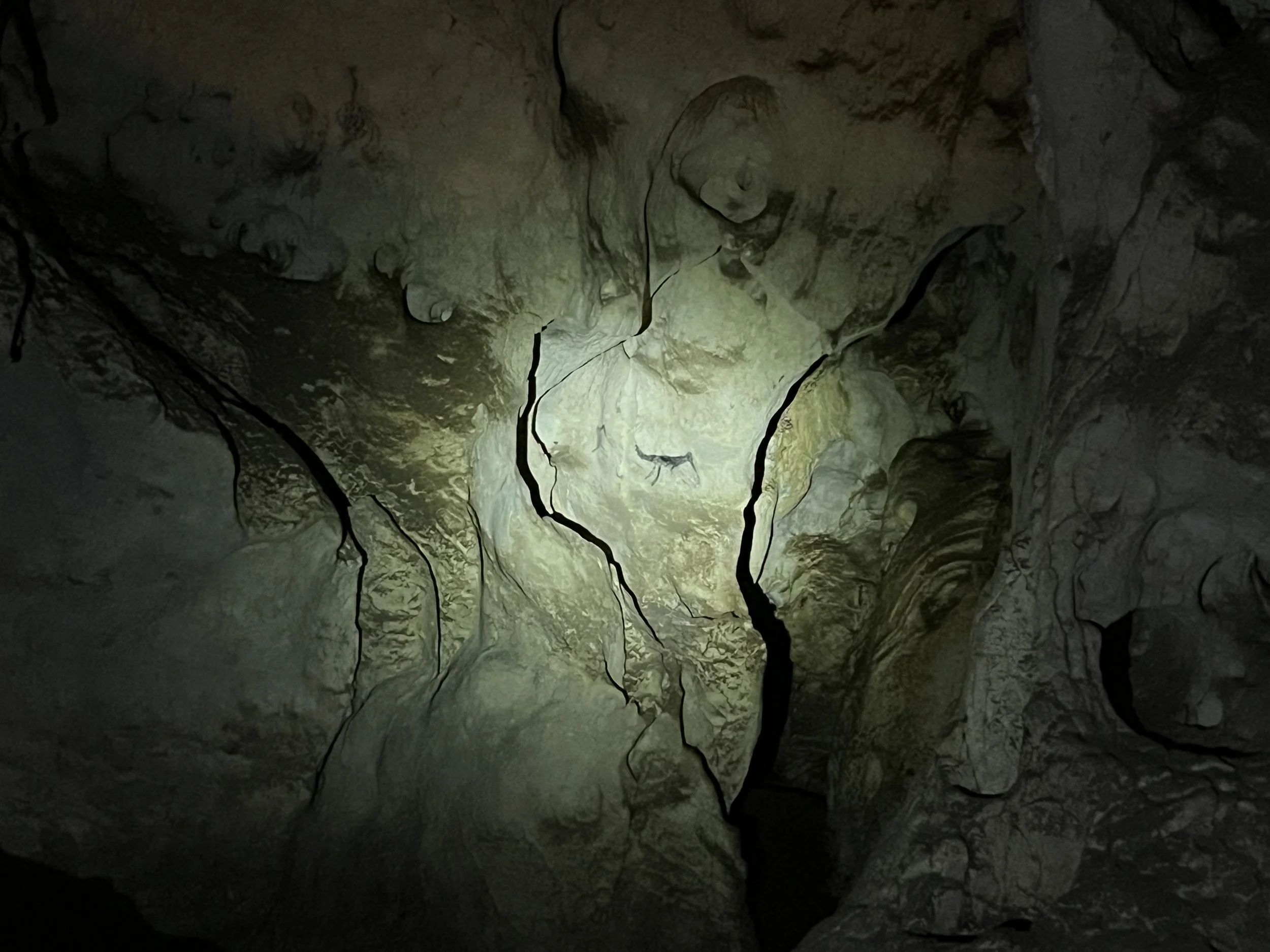
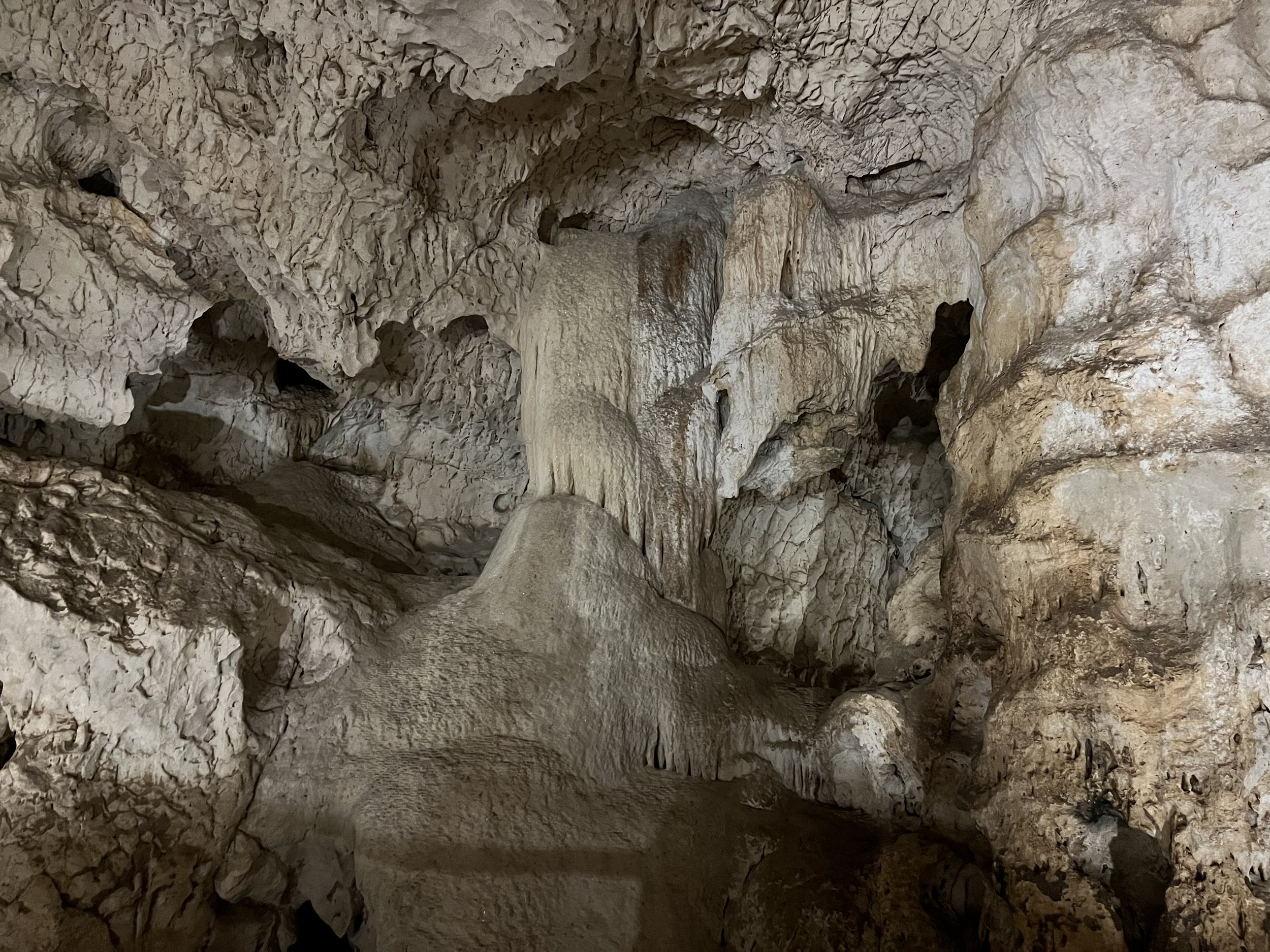
Ministry of Environment and Natural Resources (2025–Present)
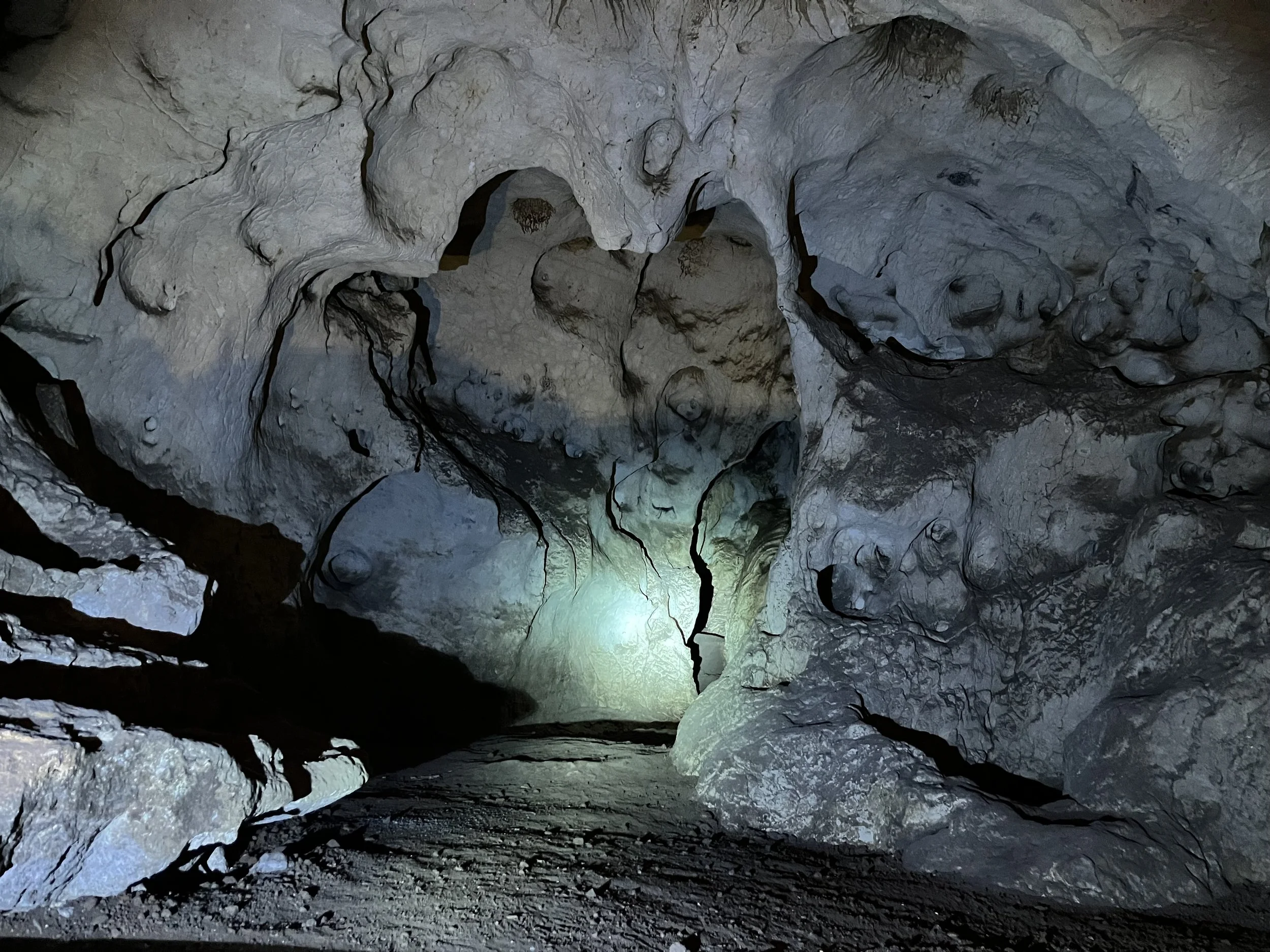
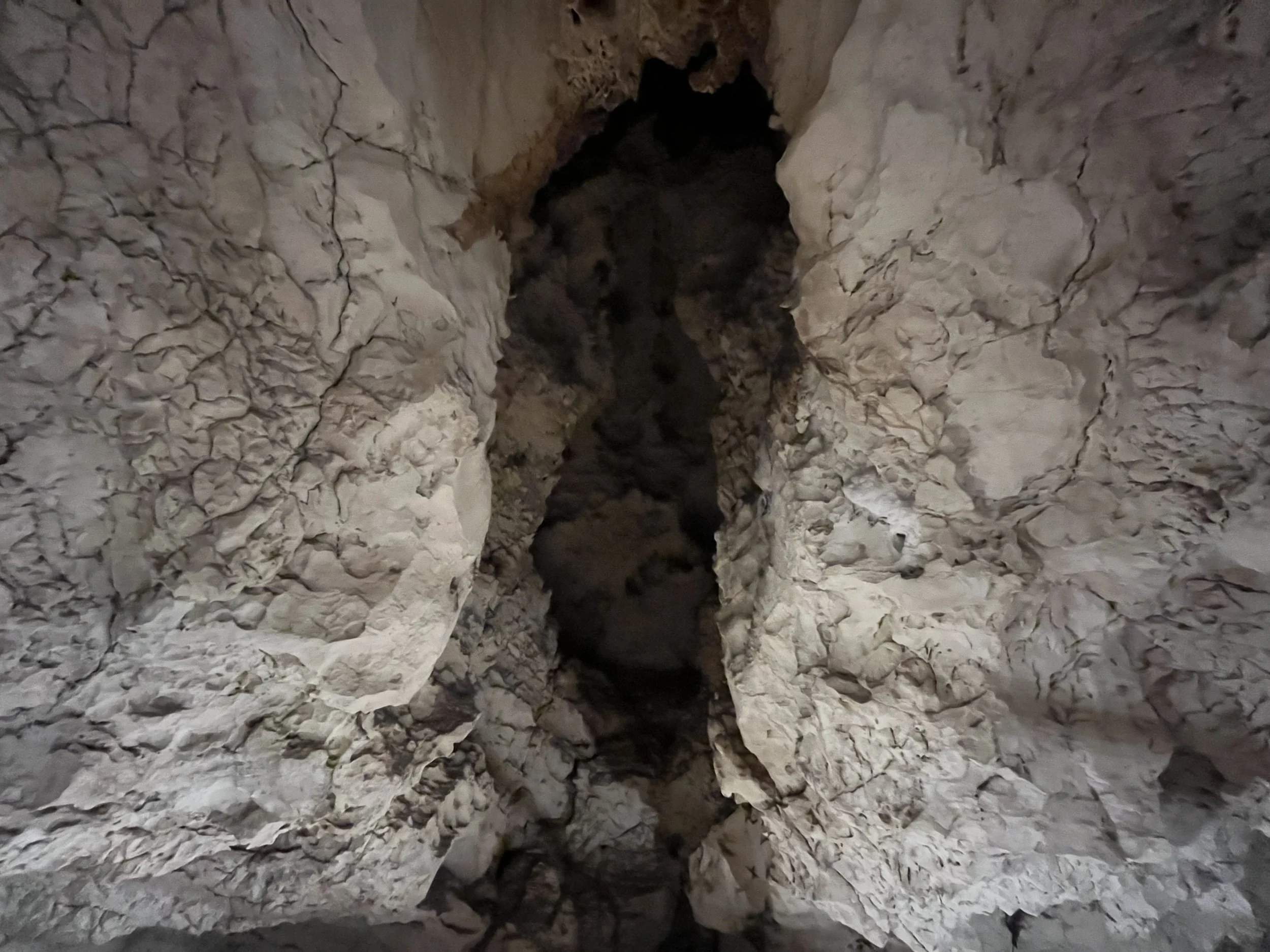
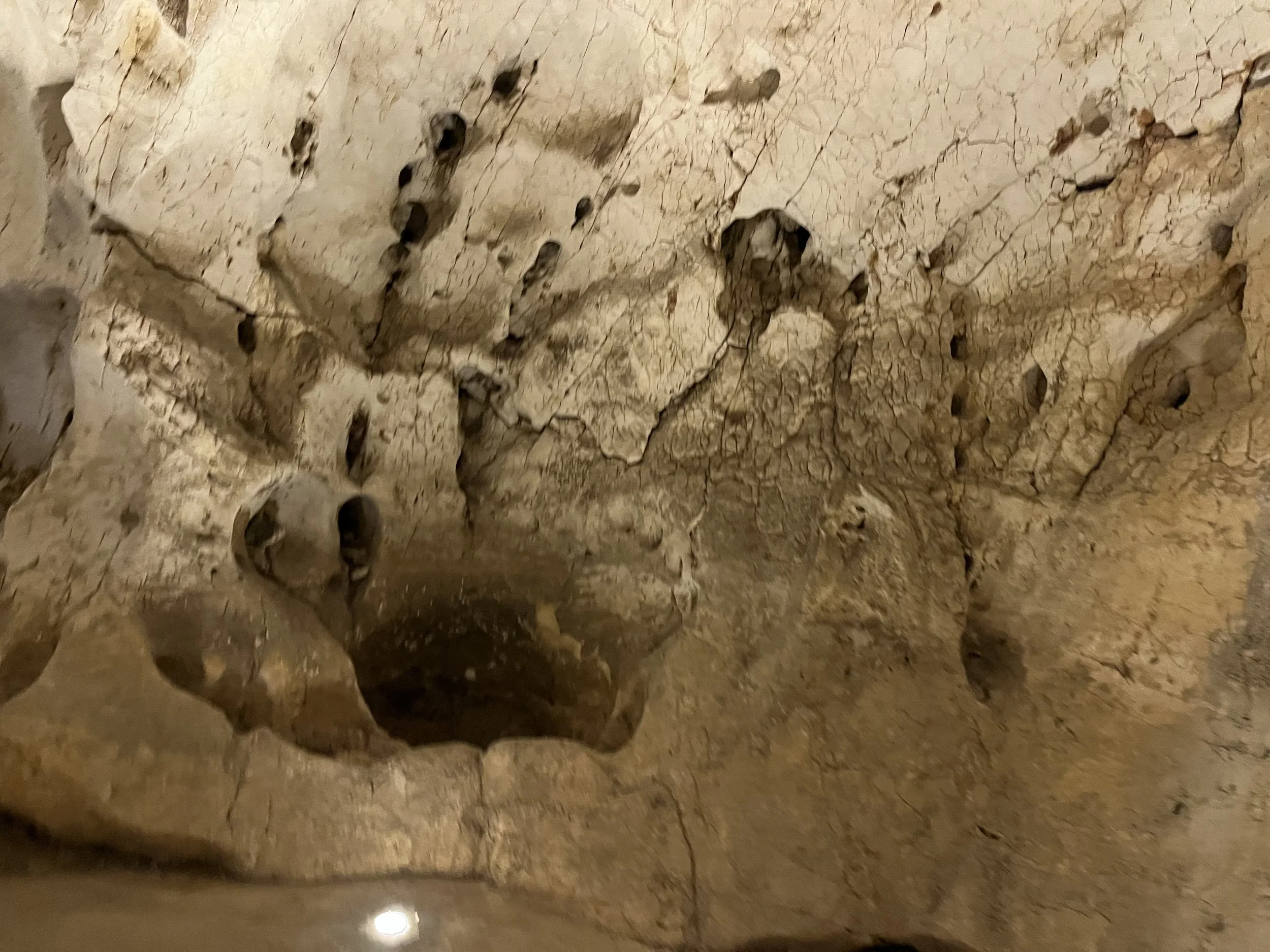
Developed within the Ministry of Environment and Natural Resources, this intervention unfolds across protected areas in the Dominican Republic.
The contemporary hierarchy of the senses—where vision, hearing, and normative mobility are privileged as primary modes of accessing and knowing the world—can be understood as a colonial construction: a system that orders perception according to ideals of control, distance, and legibility, while relegating other sensory configurations to the margins. Within this regime, bodies that do not conform to these norms are positioned as lacking, rather than as carriers of alternative perceptual logics.
From this perspective, accessibility shifts from accommodation to an epistemic proposition: not simply a matter of enabling entry into a pre-existing world, but of allowing that world to be reconfigured through the experiences and interpretations of diverse bodies. Attending to how these bodies move through and make sense of space reveals a multiplicity of ways of encountering territory that unsettle dominant sensory orders.
Operating at the intersection of environmental stewardship and embodied perception, this intervention positions accessibility as a means of expanding how ecological landscapes are sensed, understood, and shared.
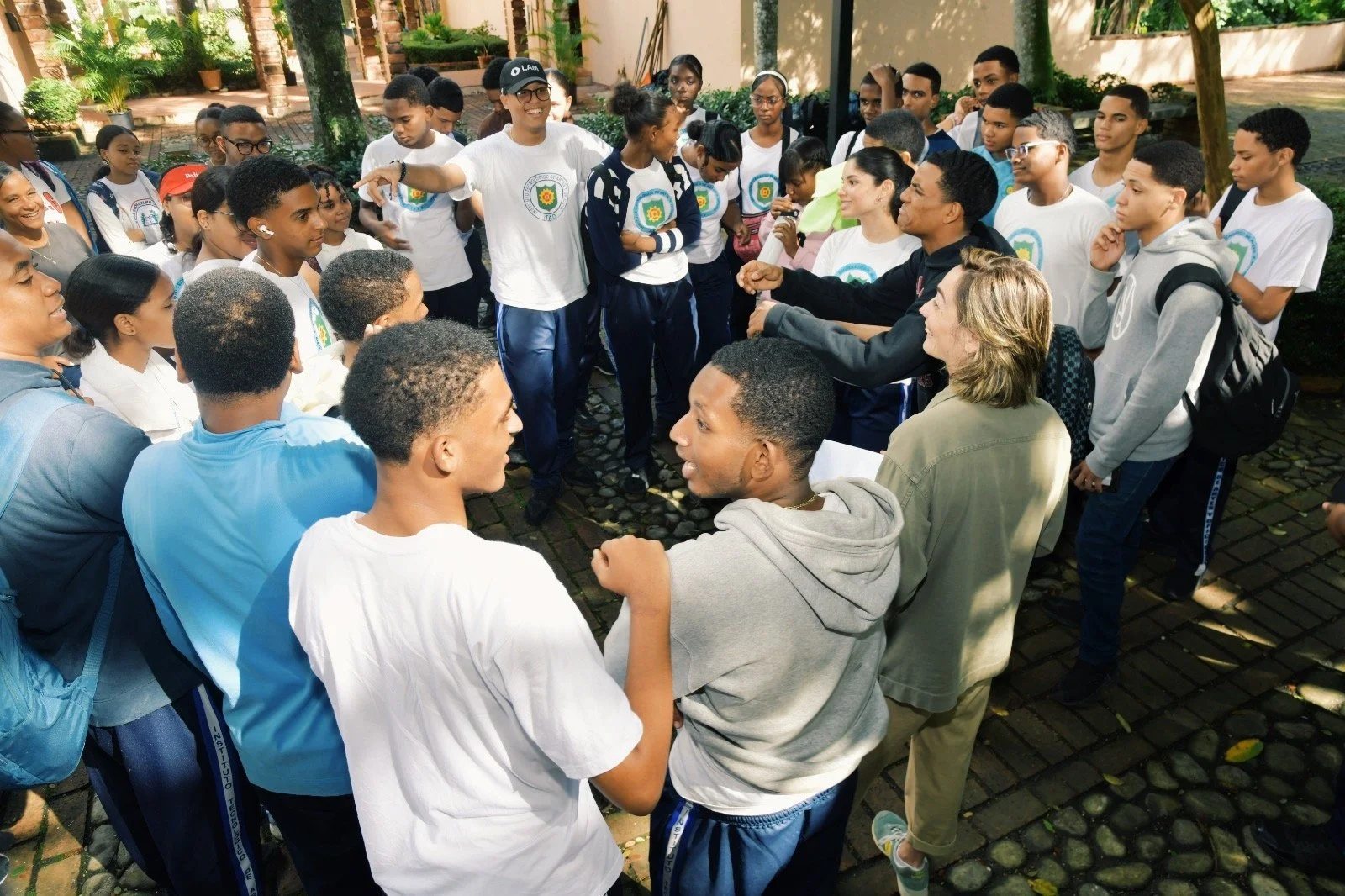
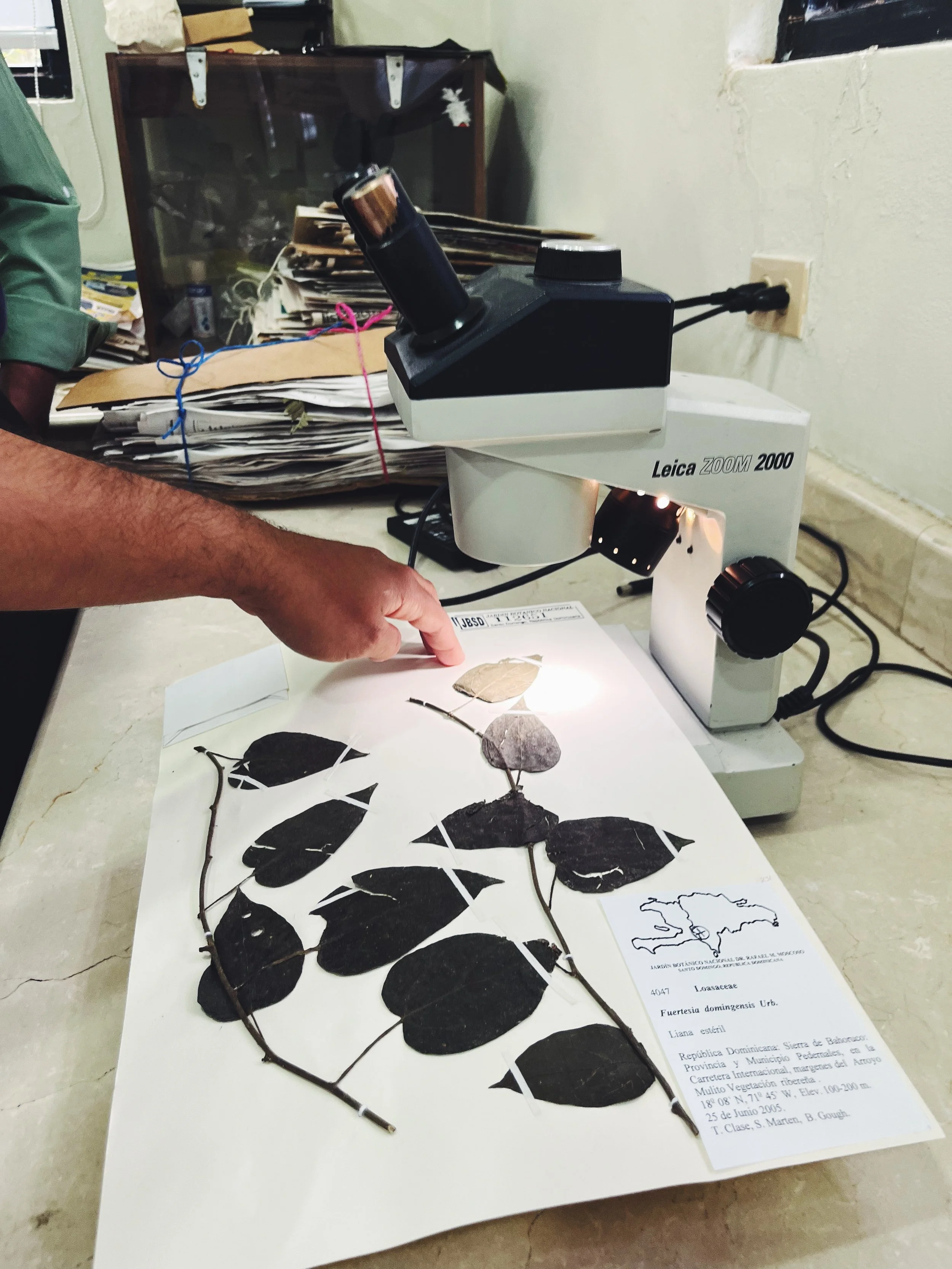


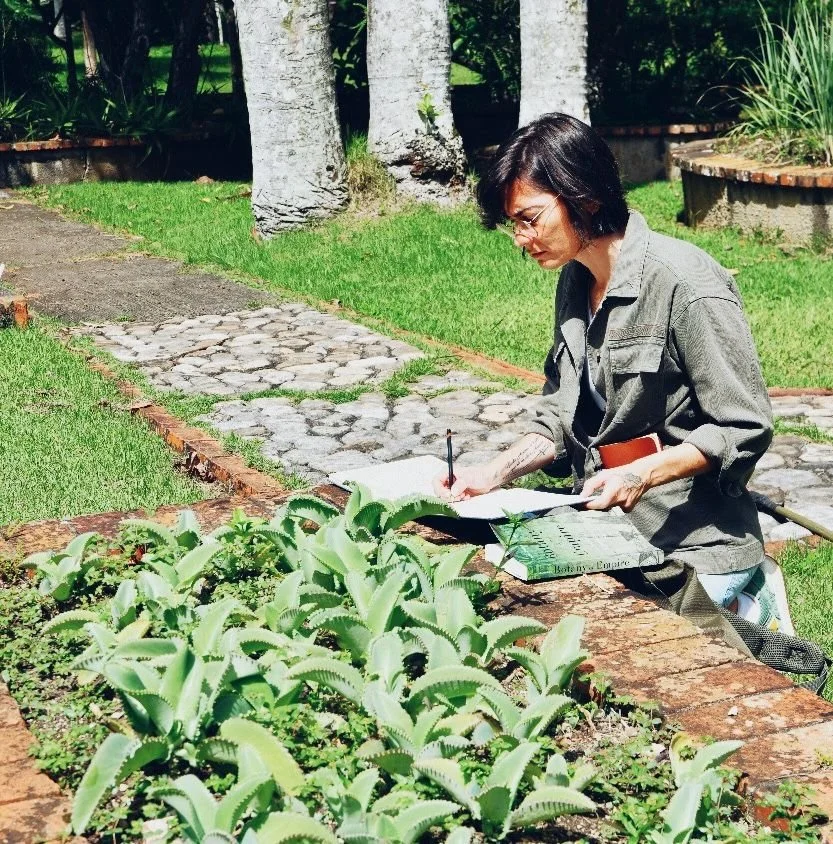
National Botanical Garden (2025-2026)
Developed within an artist residency at the National Botanical Garden of the Dominican Republic, this intervention examines how colonial, racial, gendered, and ableist hierarchies have been inscribed into the natural world through botanical nomenclature across Latin America and the Caribbean. Botanical dictionaries and field guides record widely used popular names such as Mala Madre (bad mother), Mala Mujer (bad woman), Bruja (witch), Tullida (crippled woman), Mota de Negro (Black fuzz), Cabeza de Indio (Indian’s head), and Bandera Española (Spanish flag), revealing how language has historically projected systems of domination onto plants and landscapes.
Once incorporated into institutional catalogues, academic publications, and official reports produced by environmental authorities, these names cease to be merely colloquial. They enter the domain of formal knowledge production, becoming legitimized within scientific and governmental discourse. In this way, linguistic violence is not only preserved but reproduced through institutional systems of classification, where language shapes perception and, ultimately, the way nature itself is understood.
Focusing initially on case studies from the Dominican Republic, the research traces how naming practices influence social imagination and ecological relationships—affecting how communities value, protect, or harm their environments. Situated within a botanical institution historically grounded in scientific authority, the project opens a critical dialogue about the colonial and patriarchal assumptions embedded within botanical knowledge itself.
Through research, public engagement, and art-based interventions, the initiative proposes a reconsideration of how language circulates within the garden as a pedagogical space. As public school students constitute one of the garden’s largest audiences, the work explores how confronting these linguistic inheritances can foster environmental awareness, dignity, and collective repair. In this context, transforming language becomes a form of ecological care and an opening toward more just relationships between knowledge, nature, and society.
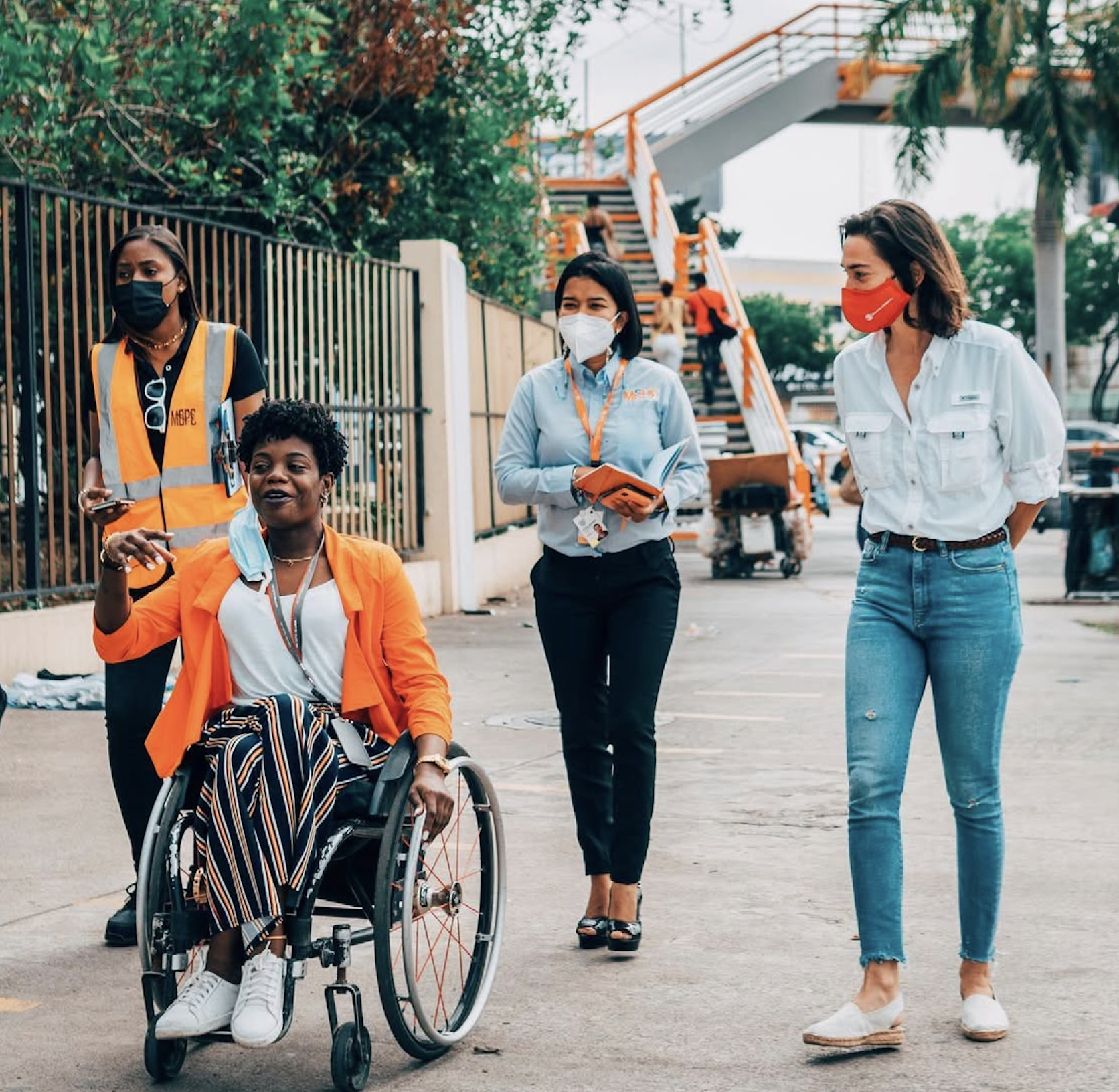
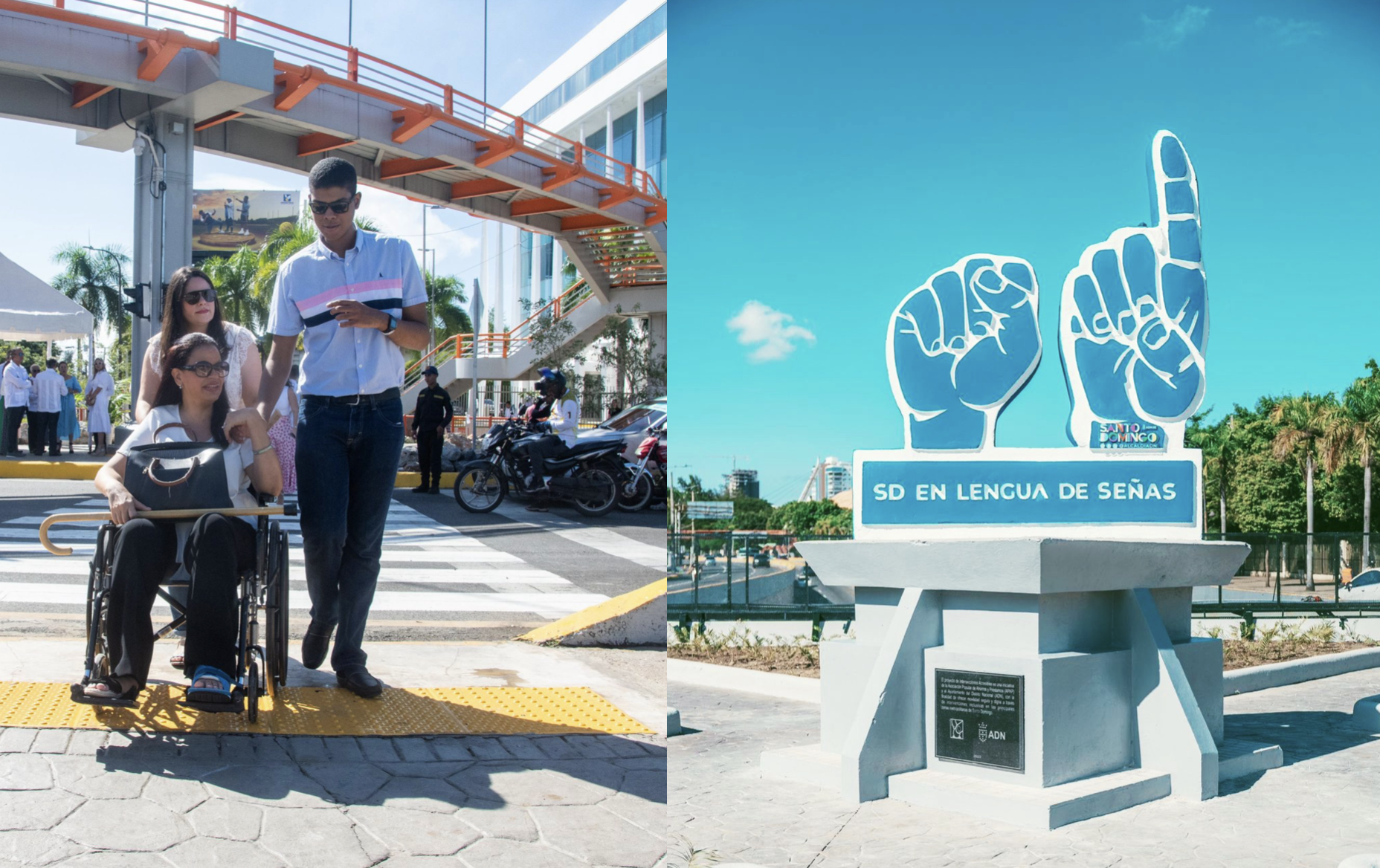


City Hall of Santo Domingo, Dominican Republic (2020–2024)
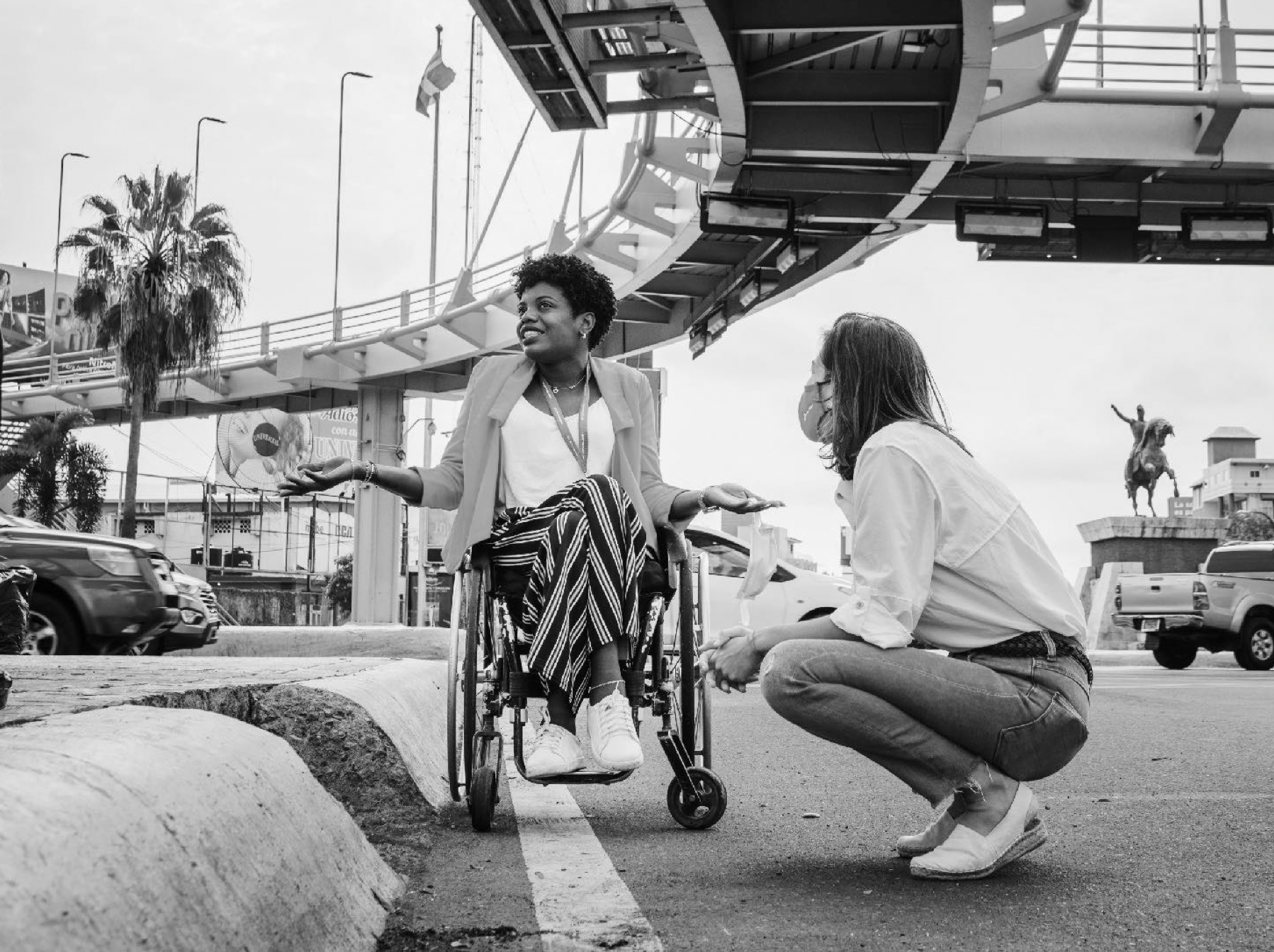
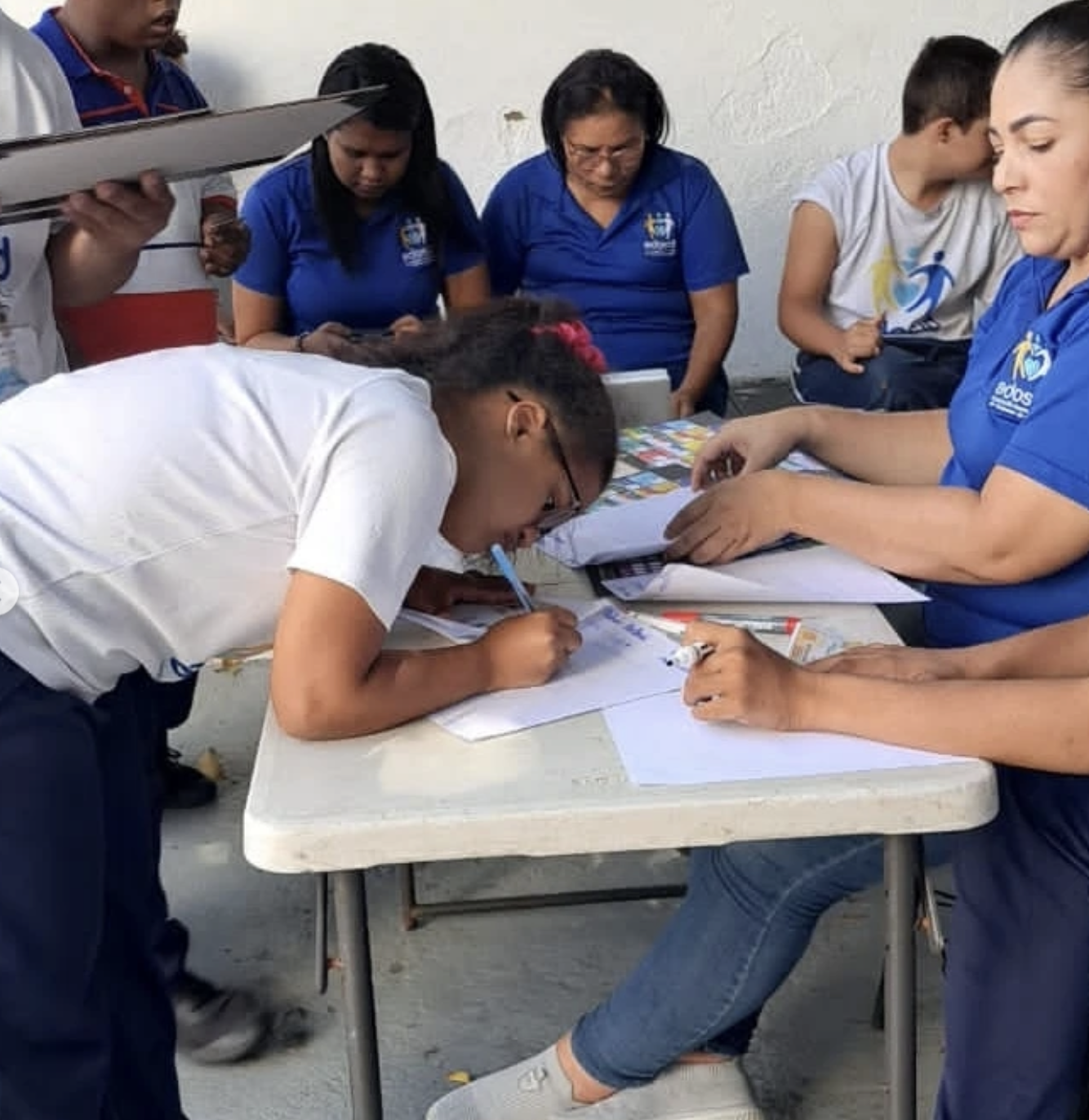
Developed within the City Hall of Santo Domingo (Alcaldía del Distrito Nacional), this intervention established the first municipal Department of Inclusion and Accessibility in the Dominican Republic, positioning disability access within the civic and political infrastructure of the city. Emerging during the COVID-19 crisis—when isolation most severely impacted people with disabilities and older adults—the initiative reframed accessibility as a structural responsibility of municipal governance rather than a peripheral social service.
Through policy development, institutional coordination, and public programming, the department integrated accessibility across municipal operations while advancing new standards for civic participation and urban inclusion. The initiative marked a shift in how Dominican local government engages disability rights, demonstrating how municipal institutions can become active agents in expanding who the city recognizes and serves.
The department’s model has since informed the creation of similar initiatives in other municipalities. Its work received the RD Incluye Gold Award, the highest distinction granted by the National Disability Council in partnership with the United Nations. In 2023, Santo Domingo was represented at the United Nations General Assembly, where the city became the first in the Caribbean to sign the Global Compact on Accessible Cities, positioning accessibility as a central principle of urban governance in the region.
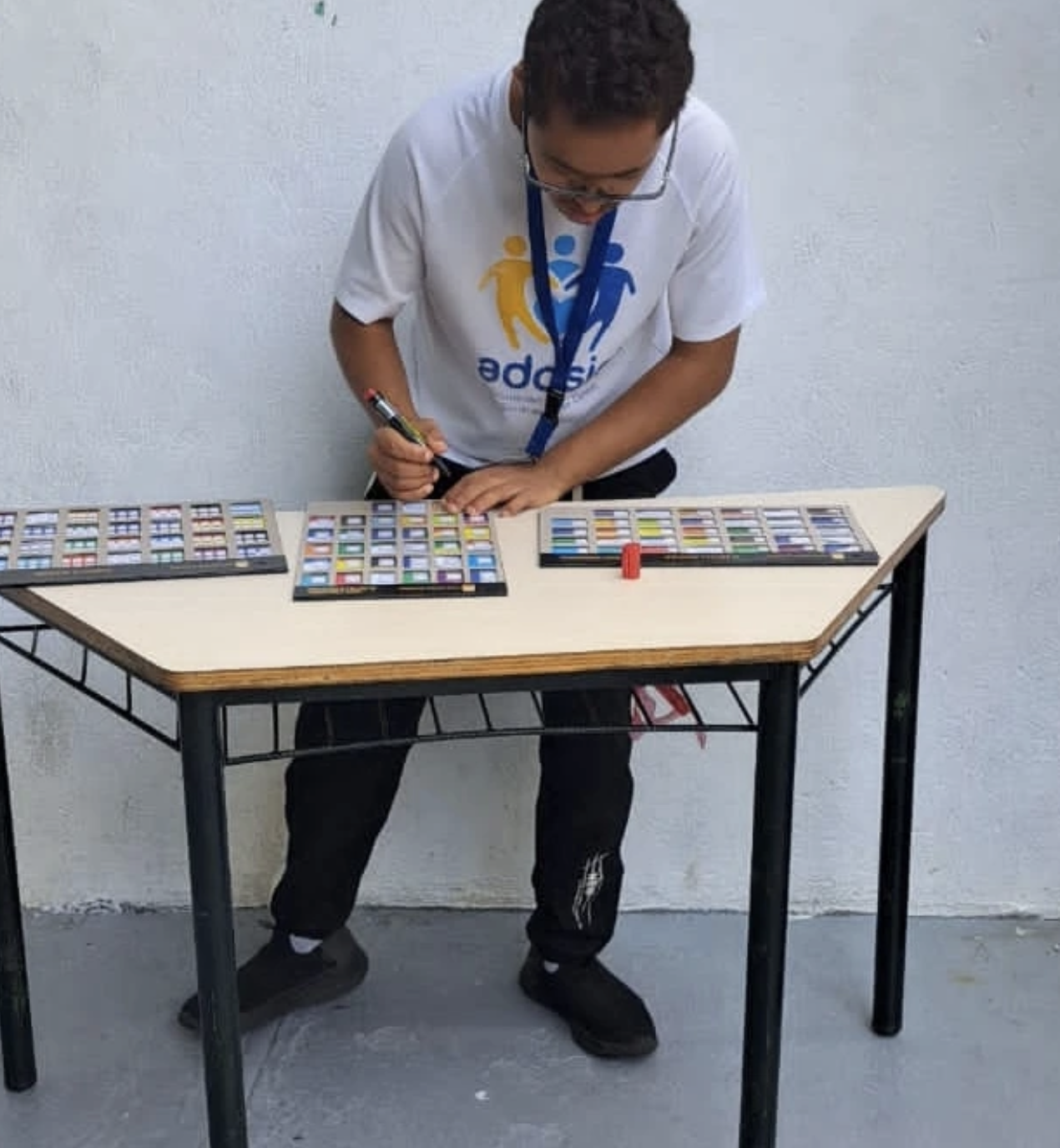
Central Electoral Board (2020–2024)
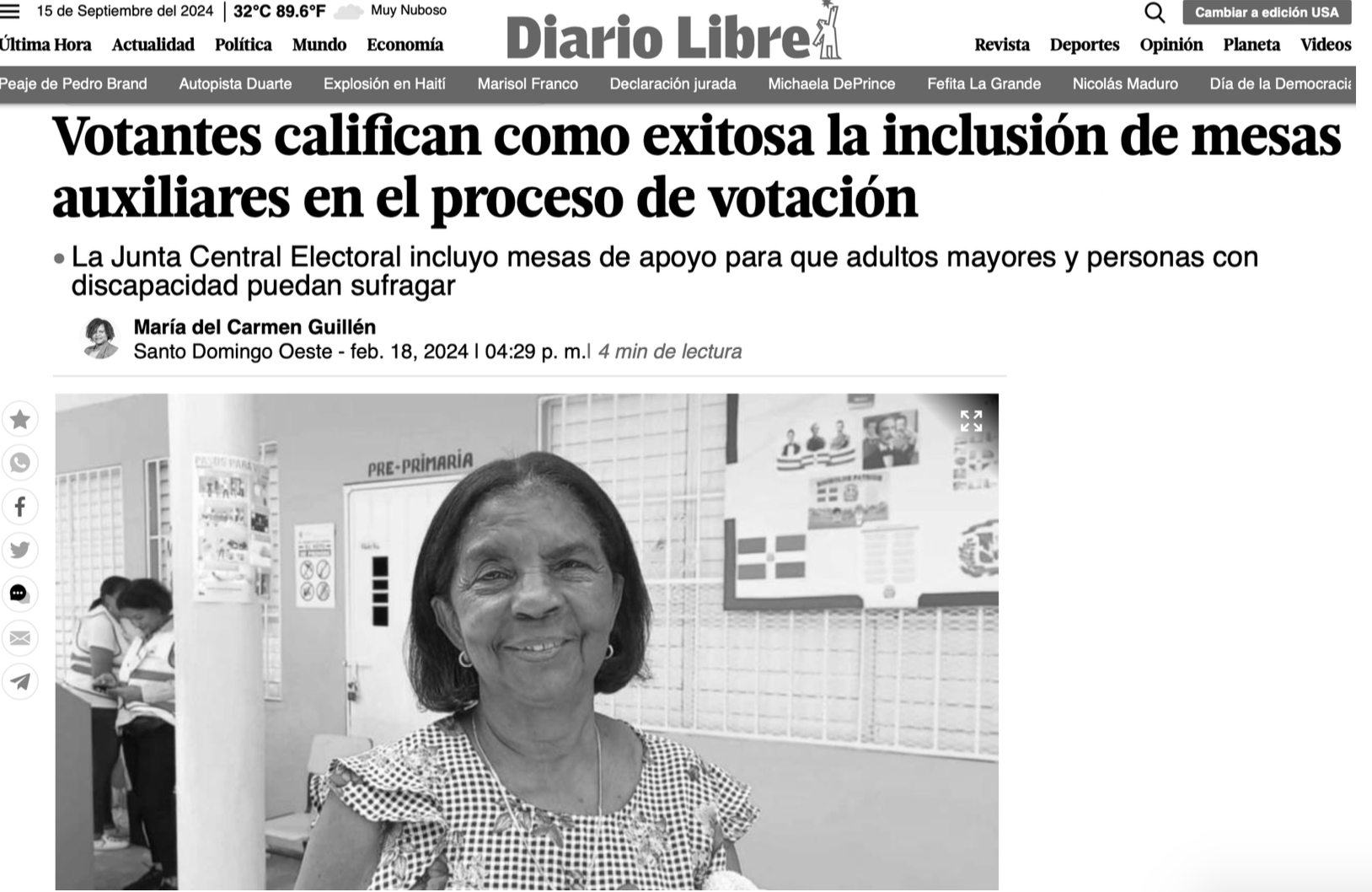
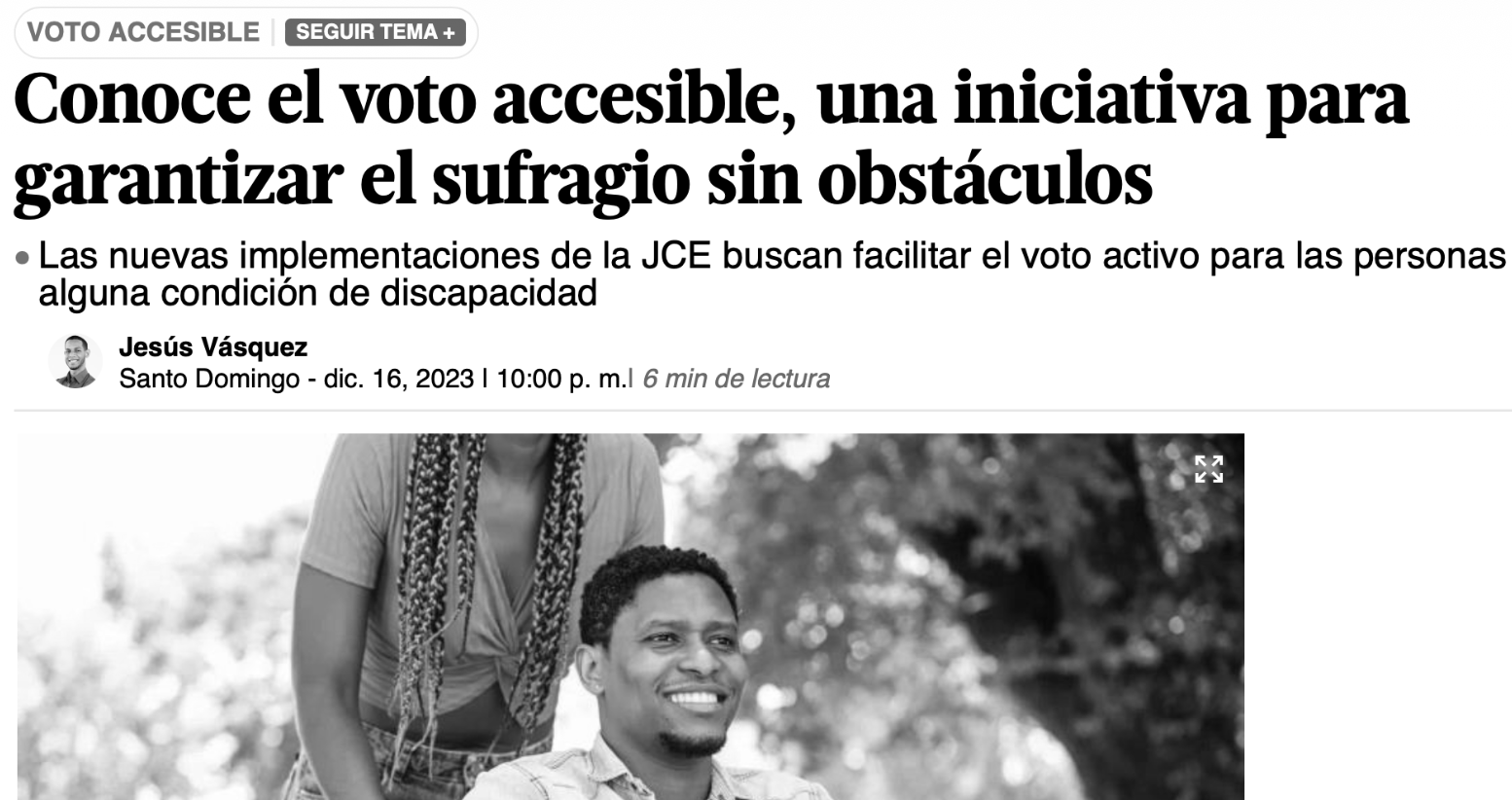
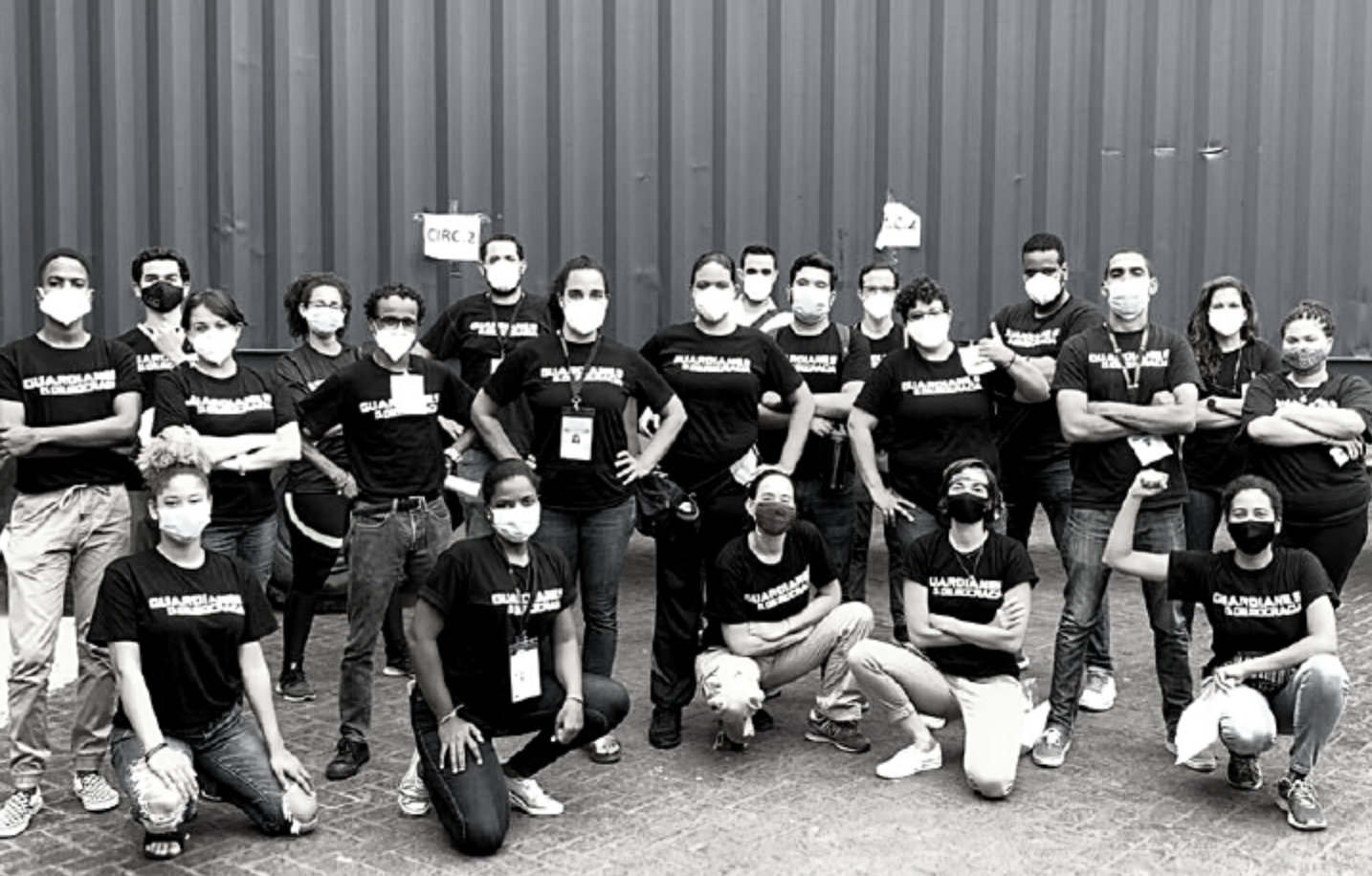
Developed within the Central Electoral Board (Junta Central Electoral, JCE)—the national authority responsible for organizing elections and administering the civil registry—this intervention emerged from civic oversight efforts during the 2020 electoral cycle. During this period, the artist joined Guardianes de la Democracia, a non-partisan coalition of citizens monitoring electoral integrity and preventing fraud. Through this process, Batlle identified profound gaps in accessibility within the Dominican electoral system, particularly affecting voters with disabilities.
In response, they developed and presented a series of accessibility proposals to the JCE. These proposals led to the creation of the institution’s first Accessibility and Inclusion Committee (Mesa de Inclusión), formally established in 2021, introducing accessibility as a structural concern within the country’s electoral administration and embedding disability inclusion into institutional planning, policy development, and public service delivery.
Through the development of the JCE’s first accessibility guidelines and the coordination of interdepartmental efforts, the initiative laid the groundwork for the most inclusive electoral process in Dominican history during the 2024 national elections. By intervening directly within the institutional architecture of electoral governance, the project expanded the democratic infrastructure of the state—advancing the principle that political participation must be accessible to all citizens.